Your Basket is Empty!
What Is the Legal Tyre Tread Depth in the UK?
What Is the Legal Tyre Tread Depth in the UK?
Your tyres are the only part of your vehicle that remains in direct contact with the road, making them one of the most important safety components of your car. Whether you're driving in dry, wet, or icy conditions, having tyres with sufficient tread depth is essential for maintaining grip, stability, and braking performance. Driving with worn tyres not only increases the risk of accidents but can also result in fines, penalty points, and even invalidate your insurance.
In this guide, we'll explain the legal tyre tread depth in the UK, how to check your tyres, the risks of driving with worn tread, and when it's time to replace your tyres.
What Is the Legal Tyre Tread Depth in the UK?
The legal minimum tyre tread depth for cars in the UK is:
1.6mm across the central three-quarters of the tyre's width and around its entire circumference.
This legal requirement applies to passenger cars, vans up to 3.5 tonnes, and light commercial vehicles. If any tyre falls below this limit, your vehicle is considered unroadworthy and illegal to drive.
Although 1.6mm is the legal minimum, many tyre manufacturers and road safety experts recommend replacing tyres when the tread reaches around 3mm, particularly if you regularly drive in wet weather. Tyres begin to lose a significant amount of grip and water dispersion capability well before they reach the legal limit.
Why Is Tyre Tread So Important?
Tyre tread is designed to channel water away from the tyre's contact patch, helping your vehicle maintain grip on wet roads. As the tread wears down, the tyre becomes less effective at clearing water, increasing the likelihood of aquaplaning.
Adequate tread depth also helps improve:
- Wet weather braking performance
- Cornering stability
- Vehicle handling
- Traction during acceleration
- Overall road safety
The deeper the tread, the more efficiently your tyres can grip the road surface.
What Happens If Your Tyres Are Below the Legal Limit?
Driving with illegal tyres can have serious consequences.
If your tyres are below the legal tread depth, you could face:
- A fine of up to £2,500 per illegal tyre
- Three penalty points on your driving licence for each defective tyre
- Up to 12 penalty points if all four tyres are illegal
- Vehicle failure during roadside inspections
- MOT failure
- Increased insurance complications after an accident
More importantly, worn tyres dramatically reduce your ability to stop safely, especially on wet roads.
How to Check Your Tyre Tread Depth
Checking your tyre tread is quick and should become part of your regular vehicle maintenance routine.
1. Look for Tread Wear Indicators
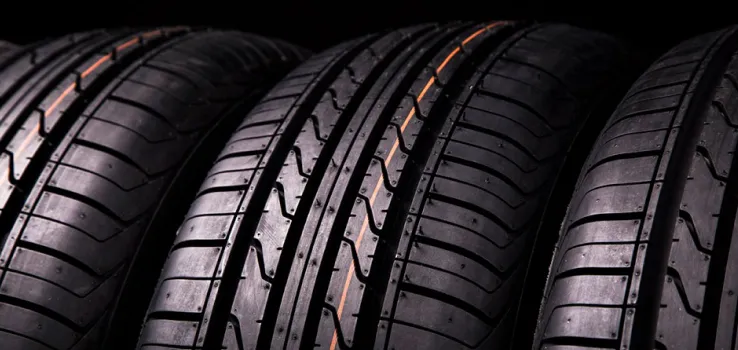
Modern tyres have built-in tread wear indicators located within the grooves. Once the tread becomes level with these indicators, the tyre has reached the legal limit and should be replaced immediately.
2. Use a Tyre Tread Depth Gauge
A tread depth gauge provides the most accurate measurement. Simply insert the gauge into the tyre groove and read the measurement.
3. Check Across the Entire Tyre
Measure several points around the tyre and across the central three-quarters of its width. Uneven wear could indicate issues such as poor wheel alignment or incorrect tyre pressure.
Signs Your Tyres Need Replacing
Apart from reaching the legal tread limit, there are several warning signs that indicate your tyres should be replaced:
- Uneven tread wear
- Visible cracks in the sidewall
- Bulges or blisters
- Cuts or puncture damage
- Frequent pressure loss
- Excessive vibration while driving
- Reduced grip in wet conditions
If you notice any of these issues, it's advisable to have your tyres inspected by a professional as soon as possible.
Why Do Tyres Wear Unevenly?
Uneven tyre wear is a common problem and can shorten the lifespan of your tyres.
Some of the most common causes include:
Incorrect Wheel Alignment
Misaligned wheels cause one side of the tyre to wear faster than the other.
Incorrect Tyre Pressure
Underinflated tyres wear more along the outer edges, while overinflated tyres wear excessively in the centre.
Worn Suspension Components
Damaged suspension can affect the way tyres make contact with the road.
Unbalanced Wheels
Wheel imbalance causes vibration and uneven tread wear over time.
Regular wheel alignment and wheel balancing help maximise tyre life and improve driving comfort.
Why Replacing Tyres Early Can Save You Money
Many drivers wait until their tyres reach the legal minimum before replacing them. However, replacing tyres slightly earlier can actually save money in the long run.
Tyres with healthier tread provide:
- Better fuel efficiency
- Improved braking performance
- Longer suspension life
- Reduced risk of punctures
- Better tyre longevity through even wear
Investing in new tyres before they become dangerously worn helps protect both your vehicle and your passengers.
How Often Should You Check Your Tyres?
It's recommended that you inspect your tyres:
- At least once every month
- Before long journeys
- After hitting a pothole or kerb
- Before winter driving
- Whenever your tyre pressure warning light appears
Regular inspections only take a few minutes and can help identify problems before they become expensive repairs.
Tips to Make Your Tyres Last Longer
Proper tyre maintenance not only improves safety but also extends tyre life.
Here are a few simple tips:
- Check tyre pressure every month.
- Rotate tyres if recommended by your vehicle manufacturer.
- Have your wheels professionally aligned.
- Balance wheels whenever new tyres are fitted.
- Avoid harsh acceleration and emergency braking where possible.
- Inspect tyres regularly for cuts, nails and damage.
- Replace worn suspension components promptly.
Following these simple steps can significantly increase the lifespan of your tyres.
Why Professional Tyre Inspections Matter
Although checking tyre tread at home is straightforward, a professional inspection can identify issues that aren't always visible.
A qualified technician can assess:
- Overall tyre condition
- Uneven wear patterns
- Wheel alignment
- Wheel balancing
- Tyre pressure
- Sidewall damage
- Valve condition
Addressing these issues early can help prevent unexpected breakdowns and improve overall driving safety.
Visit Central Tyres Walsall for Expert Tyre Services
At Central Tyres Walsall, we understand how important safe, reliable tyres are for your vehicle. Whether you need a tyre inspection, replacement tyres, Hunter Wheel Alignment, wheel balancing, or general vehicle maintenance, our experienced team is here to help.
We supply quality tyres from leading manufacturers to suit every budget and ensure every tyre is professionally fitted for maximum performance and safety. Our modern equipment allows us to accurately inspect tyre wear, check wheel alignment, and recommend the most suitable solution for your vehicle.
If you're unsure whether your tyres are still road legal or you've noticed uneven wear, reduced grip, or vibration while driving, don't wait until it becomes a bigger problem.
Contact Central Tyres Walsall
Address
29 John Street
Walsall
WS2 8AF
Phone
Our friendly team will be happy to inspect your tyres and help keep your vehicle safe, legal, and performing at its best.
Recent Blogs