Your Basket is Empty!
What Causes Uneven Tyre Wear?
What Causes Uneven Tyre Wear?
Your car's tyres are one of the most important safety features on your vehicle. They provide the grip needed for safe braking, precise steering and stable handling in all weather conditions. While tyres naturally wear down over time, they should wear evenly across the entire tread surface. If they don't, it's usually a sign that something is wrong with your vehicle.
Uneven tyre wear is a common issue faced by many drivers in the UK. It not only shortens the lifespan of your tyres but can also affect your vehicle's handling, fuel efficiency and overall safety. Fortunately, identifying the cause early can help prevent expensive repairs and ensure your vehicle remains roadworthy.
In this guide, we'll explain the most common causes of uneven tyre wear, how to identify different wear patterns, and what you can do to keep your tyres in excellent condition.
What Is Uneven Tyre Wear?
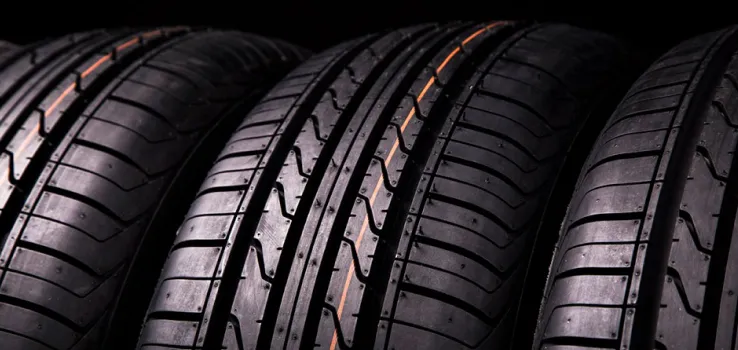
Uneven tyre wear occurs when one part of the tyre wears down more quickly than the rest of the tread. Instead of wearing evenly across the full width of the tyre, certain areas become noticeably thinner, reducing the tyre's performance and lifespan.
Common wear patterns include:
- Inside edge wear
- Outside edge wear
- Centre tread wear
- Shoulder wear on both sides
- Feathering
- Cupping or scalloping
- Flat spots
Each of these patterns usually points to a specific issue that should be diagnosed and corrected.
Why Even Tyre Wear Matters
Even tyre wear is essential for maintaining:
- Safe braking performance
- Reliable grip in wet and dry conditions
- Accurate steering
- Smooth vehicle handling
- Better fuel economy
- Longer tyre life
When tyres wear unevenly, they lose their ability to make consistent contact with the road, increasing the risk of accidents and unnecessary tyre replacement.
1. Incorrect Wheel Alignment
One of the most common causes of uneven tyre wear is poor wheel alignment.
Wheel alignment refers to the angles at which your wheels are positioned in relation to the road and each other. If these angles are incorrect, the tyres will not sit flat on the road surface.
As a result, one edge of the tyre carries more of the vehicle's weight, causing excessive wear.
Signs of Poor Wheel Alignment
- Vehicle pulls to the left or right
- Steering wheel is off-centre
- Uneven wear on the inside or outside edge of the tyre
- Reduced fuel economy
- Steering feels unstable
Professional Hunter Wheel Alignment uses advanced digital imaging technology to restore the manufacturer's recommended settings, helping your tyres wear evenly and improving overall driving performance.
2. Incorrect Tyre Pressure
Tyre pressure plays a significant role in tyre wear.
Under-Inflated Tyres
When tyre pressure is too low, the outer shoulders of the tyre carry most of the load, causing both edges to wear more quickly.
Under-inflation can also:
- Increase rolling resistance
- Reduce fuel efficiency
- Generate excessive heat
- Increase the likelihood of tyre failure
Over-Inflated Tyres
Over-inflated tyres wear faster in the centre because less of the tread comes into contact with the road.
Checking tyre pressures at least once a month helps ensure even wear and optimum performance.
3. Wheel Balancing Problems
Wheel balancing ensures that the weight of the tyre and wheel assembly is distributed evenly.
If a wheel is unbalanced, it may vibrate while driving, especially at motorway speeds. Over time, these vibrations create irregular wear patterns across the tyre tread.
Symptoms include:
- Steering wheel vibration
- Vehicle vibration
- Uneven tread wear
- Reduced driving comfort
Professional wheel balancing restores smooth performance and prevents premature tyre wear.
4. Worn Suspension Components
Your vehicle's suspension keeps the tyres firmly in contact with the road.
Worn shock absorbers, springs, bushes or suspension joints can allow the tyres to bounce excessively, causing an uneven wear pattern known as cupping or scalloping.
If left untreated, suspension problems can rapidly destroy a new set of tyres.
5. Aggressive Driving
Your driving style has a major impact on tyre lifespan.
Frequent:
- Harsh braking
- Rapid acceleration
- Fast cornering
creates additional friction and heat, accelerating tyre wear.
Smooth, controlled driving helps tyres last significantly longer while improving fuel economy.
6. Poor Road Conditions
Potholes, speed bumps, damaged road surfaces and kerb impacts are common causes of tyre damage in the UK.
A severe impact can:
- Knock the wheel alignment out of specification
- Damage the tyre internally
- Bend alloy wheels
- Affect suspension components
If you've recently struck a pothole and notice unusual tyre wear or steering problems, have your vehicle inspected as soon as possible.
7. Failure to Rotate Tyres
Front tyres generally wear faster than rear tyres because they handle:
- Steering
- Most braking forces
- A larger share of the vehicle's weight
Rotating tyres at the intervals recommended by your vehicle manufacturer helps promote even wear across all four tyres and extends their lifespan.
8. Worn Steering Components
Components such as track rod ends and ball joints are essential for maintaining correct steering geometry.
If these parts become worn, your wheels may no longer remain correctly aligned, causing uneven tyre wear and poor handling.
Regular servicing helps identify worn steering components before they damage your tyres.
9. Vehicle Overloading
Carrying excessive loads places extra stress on your tyres.
The additional weight causes:
- Increased heat build-up
- Faster tread wear
- Reduced tyre lifespan
Always stay within the manufacturer's recommended load limits.
Understanding Common Tyre Wear Patterns
Recognising wear patterns can help identify the underlying problem.
Inside Edge Wear
Usually caused by:
- Incorrect wheel alignment
- Excessive negative camber
Outside Edge Wear
Often caused by:
- Incorrect alignment
- Aggressive cornering
Centre Wear
Typically caused by:
- Over-inflated tyres
Wear on Both Edges
Usually indicates:
- Under-inflated tyres
Feathering
Feathered tread blocks often result from:
- Incorrect toe alignment
Cupping or Scalloping
Often caused by:
- Worn shock absorbers
- Wheel imbalance
- Suspension faults
A professional inspection can accurately diagnose the cause and recommend the appropriate repair.
Why You Shouldn't Ignore Uneven Tyre Wear
Driving with unevenly worn tyres can lead to:
- Longer braking distances
- Reduced wet-weather grip
- Increased aquaplaning risk
- Poor steering response
- Higher fuel consumption
- Noisy driving
- Premature tyre replacement
- Increased risk of tyre failure
Addressing the underlying cause early usually costs far less than replacing multiple tyres.
How to Prevent Uneven Tyre Wear
Fortunately, most uneven tyre wear can be prevented with regular maintenance.
Check Tyre Pressure Monthly
Use the tyre pressures recommended by your vehicle manufacturer.
Book Regular Hunter Wheel Alignment
Professional alignment ensures your tyres make even contact with the road, helping them wear uniformly.
Balance Your Wheels
Wheel balancing should be carried out whenever new tyres are fitted or vibration develops.
Inspect Your Tyres Frequently
Check for:
- Uneven tread
- Cuts
- Bulges
- Cracks
- Embedded objects
Drive Smoothly
Avoid harsh braking, rapid acceleration and unnecessary kerb impacts.
Service Your Vehicle Regularly
Routine servicing helps identify suspension and steering issues before they affect your tyres.
When Should You Replace Your Tyres?
Tyres should be replaced if:
- Tread depth is below the UK legal minimum of 1.6mm
- Uneven wear has exposed the tyre cords
- There are sidewall bulges or deep cracks
- Internal damage is suspected
- A qualified technician confirms the tyre is unsafe
Replacing tyres promptly ensures your vehicle remains safe, efficient and compliant with UK road laws.
Trust Central Tyres Walsall for Professional Tyre Care
At Central Tyres Walsall, we specialise in keeping your tyres performing at their best. Our experienced technicians provide professional tyre inspections, tyre replacement, Hunter Wheel Alignment, wheel balancing, brake servicing and vehicle maintenance using modern equipment and manufacturer-approved procedures.
Whether your tyres are wearing unevenly, your steering feels unusual or you've recently hit a pothole, we'll identify the root cause and recommend the most cost-effective solution. We stock a wide range of premium, mid-range and budget tyres to suit all makes and models, ensuring every customer receives reliable products and expert workmanship.
Contact Central Tyres Walsall
Address:
29 John Street
Walsall
WS2 8AF
United Kingdom
Phone: 01922 625339
Email: [email protected]
If you've noticed uneven tyre wear or want to ensure your tyres are wearing correctly, visit Central Tyres Walsall today. Our friendly team will inspect your tyres, check your wheel alignment and help keep your vehicle safe, comfortable and performing at its best.
Recent Blogs