Your Basket is Empty!
Signs Your Brake Pads Need Replacing
Signs Your Brake Pads Need Replacing
Your vehicle's braking system is one of its most important safety features, and the brake pads play a vital role in ensuring you can stop safely and efficiently. Every time you press the brake pedal, the brake pads create friction against the brake discs, slowing your vehicle down. Over time, this constant friction causes the pads to wear away, making regular inspections and timely replacement essential.
Ignoring worn brake pads can reduce braking performance, damage expensive brake discs and increase the risk of accidents. Fortunately, your car usually provides several warning signs before the brake pads become dangerously worn.
In this guide, we'll explain the most common signs your brake pads need replacing, why brake pad maintenance is important, how often they should be checked and what happens if you continue driving with worn brake pads.
What Are Brake Pads?
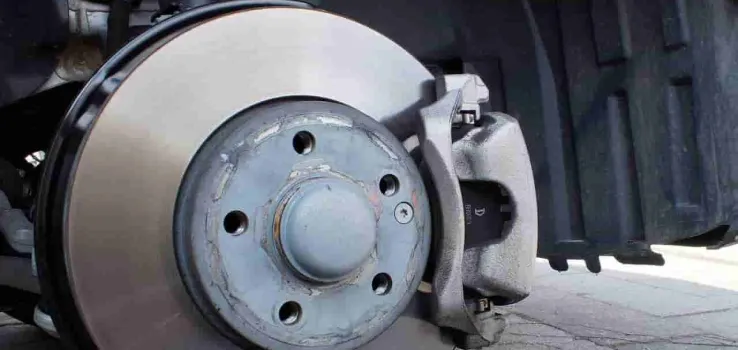
Brake pads are friction materials mounted inside your vehicle's brake callipers. When you press the brake pedal, hydraulic pressure pushes the brake pads against the rotating brake discs, creating the friction needed to slow or stop the vehicle.
Because brake pads wear down a little every time you brake, they are considered a routine service item that must be replaced periodically.
Modern brake pads are designed to provide excellent stopping power while producing minimal noise and dust, but even the highest-quality pads eventually wear out.
Why Are Brake Pads Important?
Healthy brake pads are essential for:
- Safe stopping distances
- Reliable braking performance
- Vehicle control
- Protection of brake discs
- Smooth braking
- Driver confidence
- Passenger safety
Replacing worn brake pads at the right time helps prevent unnecessary damage to other braking components and keeps your vehicle performing as it should.
1. Squealing or Screeching Noises
One of the earliest and most common warning signs of worn brake pads is a high-pitched squealing or screeching noise when braking.
Many modern brake pads are fitted with a wear indicator, a small metal tab that contacts the brake disc once the friction material becomes thin. This creates a noticeable squealing sound to alert you that the pads are nearing the end of their service life.
Although brake squeal can occasionally be caused by moisture or dust, persistent noise should always be investigated.
2. Grinding Noise When Braking
A grinding or scraping noise is a much more serious warning sign.
This often means the brake pad friction material has worn away completely, allowing the metal backing plate to contact the brake disc.
Driving in this condition can quickly damage the brake discs, resulting in a much more expensive repair.
If you hear grinding noises, your vehicle should be inspected immediately.
3. Increased Stopping Distance
If your vehicle takes longer to stop than usual, worn brake pads could be reducing braking efficiency.
Longer stopping distances increase the risk of collisions, especially during emergency braking or wet weather conditions.
Any noticeable reduction in braking performance should be checked without delay.
4. Brake Warning Light
Many modern vehicles are fitted with electronic brake wear sensors.
If the brake warning light appears on your dashboard, it may indicate:
- Worn brake pads
- Low brake fluid
- A braking system fault
Although the exact cause varies, the warning should never be ignored.
5. Thin Brake Pads
A visual inspection can often reveal whether replacement is needed.
Most brake pads should have at least 3–4 mm of friction material remaining. If they appear significantly thinner than this, replacement is generally recommended.
If you're unsure, a qualified technician can inspect them during a routine service or brake check.
6. Vibrations When Braking
If you feel vibrations through the brake pedal or steering wheel while braking, several issues may be responsible.
Possible causes include:
- Worn brake pads
- Warped brake discs
- Uneven brake pad wear
- Brake system damage
A professional inspection is needed to identify the exact cause and prevent further damage.
7. Pulling to One Side While Braking
Your vehicle should brake evenly and remain stable.
If it pulls to the left or right while braking, possible causes include:
- Uneven brake pad wear
- Sticking brake callipers
- Brake fluid issues
- Suspension or steering problems
Ignoring this issue can affect vehicle control and increase tyre wear.
8. Soft or Spongy Brake Pedal
A brake pedal that feels soft, spongy or travels further than normal before braking effectively may indicate:
- Worn brake pads
- Air in the braking system
- Brake fluid problems
- Hydraulic faults
Because braking performance may be compromised, this issue should be investigated immediately.
9. Burning Smell After Braking
A strong burning smell after repeated or heavy braking may indicate overheated brake pads.
Excessive heat can reduce braking performance and accelerate brake pad wear.
If the smell persists, allow the brakes to cool and have them inspected as soon as possible.
10. It's Been a Long Time Since Your Last Brake Inspection
Brake pads wear gradually, meaning you may not notice a change in performance until they are significantly worn.
For this reason, your braking system should be inspected during every routine service or at least once a year.
Regular inspections help identify wear before it affects safety.
What Causes Brake Pads to Wear Out?
Brake pad lifespan depends on several factors, including:
Driving Style
Frequent harsh braking causes brake pads to wear more quickly.
Smooth, gradual braking extends their lifespan.
Traffic Conditions
Stop-start city driving generally wears brake pads faster than motorway driving.
Vehicle Weight
Heavier vehicles require greater braking force, increasing brake pad wear.
Brake Pad Quality
Premium brake pads often last longer and provide more consistent performance than lower-quality alternatives.
Road Conditions
Driving on steep hills or in mountainous areas places greater demands on the braking system.
How Long Do Brake Pads Last?
Brake pad lifespan varies depending on driving habits and vehicle type.
As a general guide, most brake pads last between 20,000 and 50,000 miles.
However, some may require replacement sooner if the vehicle is driven mainly in urban traffic or under demanding conditions.
Regular inspections are the best way to determine when replacement is required.
What Happens If You Ignore Worn Brake Pads?
Continuing to drive with worn brake pads can lead to:
- Damaged brake discs
- Reduced braking performance
- Increased stopping distances
- More expensive repairs
- Brake system overheating
- Greater safety risks
Replacing brake pads promptly is far more affordable than replacing brake pads and discs together.
How Can You Make Brake Pads Last Longer?
You can extend brake pad life by:
- Driving smoothly
- Avoiding harsh braking where possible
- Leaving a safe distance from other vehicles
- Avoiding carrying unnecessary weight
- Having your brakes inspected during routine servicing
- Addressing warning signs early
Good driving habits help reduce wear on the entire braking system.
Should Brake Pads Be Replaced in Pairs?
Yes.
Brake pads should always be replaced in axle pairs (both front or both rear) to ensure balanced braking performance.
Replacing only one pad can lead to uneven braking and accelerated wear.
Why Choose Central Tyres Walsall for Brake Repairs?
At Central Tyres Walsall, we understand how important a reliable braking system is for your safety. Our experienced technicians provide professional brake inspections, brake pad replacement, brake disc replacement and complete brake servicing for all makes and models. We use high-quality replacement parts and modern diagnostic equipment to ensure your braking system performs to the highest standard.
Alongside brake repairs, we also offer Hunter Wheel Alignment, tyre fitting, wheel balancing, Interim, Full and Major Car Servicing, battery replacement, AdBlue top-ups, coolant drain and refill services, locking wheel nut removal and a full range of vehicle maintenance solutions. We are committed to honest advice, transparent pricing and exceptional workmanship.
Contact Central Tyres Walsall
Address
29 John Street
Walsall
WS2 8AF
United Kingdom
Phone: 01922 625339
Email: [email protected]
If you've noticed squealing brakes, longer stopping distances or any other warning signs of worn brake pads, don't delay. Book a professional brake inspection with Central Tyres Walsall today and let our experienced team ensure your vehicle remains safe, reliable and ready for every journey.
Recent Blogs