Your Basket is Empty!

Most Common Reasons Cars Fail Their Annual Maintenance Checks
Most Common Reasons Cars Fail Their Annual Maintenance Checks
Keeping your vehicle in good condition isn't just about avoiding breakdowns it's about ensuring your car remains safe, reliable and roadworthy throughout the year. Whether you're preparing for an annual vehicle inspection, a routine service or simply want to keep your car performing at its best, understanding the most common maintenance issues can help you avoid costly repairs and unnecessary inconvenience.
Many of the faults identified during annual maintenance checks develop gradually. Worn brake pads, ageing batteries, underinflated tyres, leaking fluids and damaged suspension components often show subtle warning signs long before they become serious problems. Unfortunately, these issues are frequently overlooked until a professional inspection reveals them.
The good news is that regular servicing and simple monthly vehicle checks can prevent many of these faults from developing into expensive repairs. By identifying problems early, you can improve safety, extend the life of your vehicle and reduce long-term running costs.
In this guide, we'll explain the most common reasons cars fail their annual maintenance checks, what causes these problems and how preventative maintenance can help keep your vehicle in excellent condition.
Why Annual Maintenance Checks Matter
An annual maintenance inspection provides a comprehensive assessment of your vehicle's condition.
Unlike everyday visual checks, a professional inspection looks at key safety and performance components, including:
- Tyres
- Brakes
- Suspension
- Steering
- Battery
- Cooling system
- Engine fluids
- Lights
- Wipers
- Exhaust system
Finding small faults early helps prevent unexpected breakdowns and expensive repairs.
1. Worn or Damaged Tyres
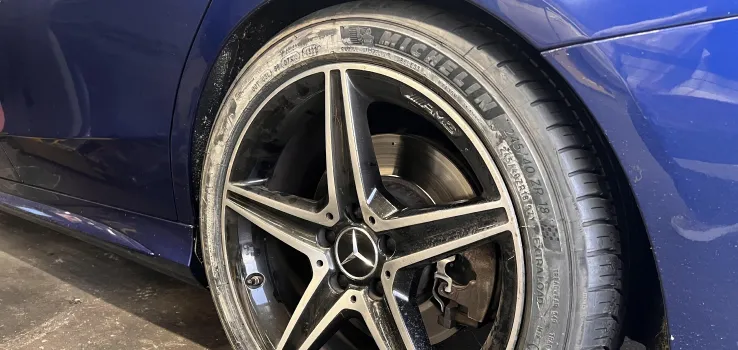
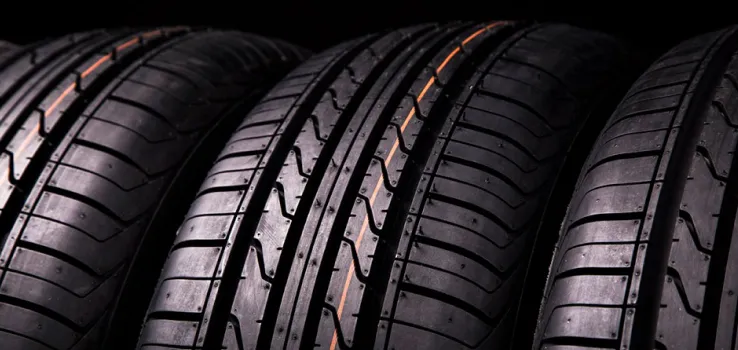
Tyres are among the most common reasons vehicles require maintenance before passing an inspection.
Common tyre problems include:
- Low tread depth
- Uneven wear
- Cracks in the sidewall
- Bulges
- Incorrect tyre pressure
- Puncture damage
The legal minimum tread depth in the UK is 1.6 mm, but replacing tyres before reaching this limit improves grip, particularly in wet weather.
Regular tyre inspections also help improve fuel efficiency and braking performance.
2. Brake Wear
The braking system is one of the most important safety features on any vehicle.
Brake-related issues commonly identified during maintenance checks include:
- Worn brake pads
- Scored brake discs
- Low brake fluid
- Brake fluid contamination
- Seized brake callipers
- Damaged brake hoses
Drivers should never ignore squealing, grinding or vibrations when braking, as these may indicate components that need immediate attention.
3. Battery Problems
A weak battery can leave you stranded without warning.
Common battery issues include:
- Low voltage
- Corroded terminals
- Poor charging performance
- Internal deterioration
Battery performance naturally declines with age, especially after three to five years.
Routine battery testing helps identify weakening batteries before they fail completely.
4. Low or Contaminated Engine Oil
Engine oil plays a vital role in lubricating moving components and reducing friction.
Maintenance inspections often identify:
- Low oil levels
- Dirty engine oil
- Oil leaks
- Incorrect oil grade
Neglecting oil changes can accelerate engine wear and reduce fuel efficiency.
Following the manufacturer's service schedule is the best way to protect your engine.
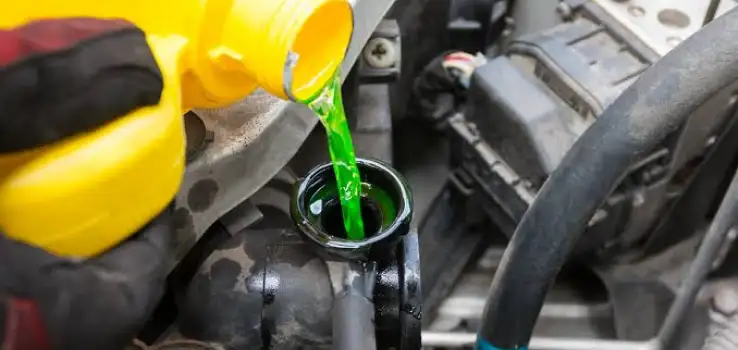
5. Cooling System Issues
The cooling system keeps your engine operating within its ideal temperature range.
Common faults include:
- Low coolant level
- Coolant leaks
- Worn hoses
- Faulty thermostat
- Water pump wear
- Old coolant
Ignoring cooling system problems can result in engine overheating and costly repairs.
6. Suspension Wear
Suspension components naturally wear over time due to potholes, speed bumps and rough road surfaces.
Problems often include:
- Worn shock absorbers
- Damaged springs
- Worn suspension bushes
- Ball joint wear
Signs of suspension wear include excessive bouncing, uneven tyre wear and poor handling.
7. Steering Issues
Steering problems can affect both safety and driving comfort.
Maintenance checks may reveal:
- Worn steering components
- Power steering fluid leaks (where applicable)
- Steering rack wear
- Excessive play
If your steering feels unusually heavy or the vehicle pulls to one side, professional inspection is recommended.
8. Wheel Alignment Problems
Incorrect wheel alignment often develops gradually after striking potholes or kerbs.
Common symptoms include:
- Vehicle pulling to one side
- Off-centre steering wheel
- Uneven tyre wear
- Increased fuel consumption
Professional Hunter Wheel Alignment restores the correct wheel geometry and improves tyre life.
9. Exterior Lighting Faults
Lighting problems are among the easiest issues to prevent.
Common faults include:
- Blown bulbs
- Faulty brake lights
- Damaged indicators
- Cloudy headlamp lenses
- Misaligned headlights
Checking your lights regularly helps improve visibility and road safety.
10. Worn Windscreen Wipers
Poor visibility can significantly increase accident risk.
Maintenance inspections frequently identify:
- Split rubber blades
- Streaking
- Smearing
- Ineffective screen clearing
Replacing worn wipers is a simple and inexpensive way to improve driving safety.
11. Fluid Leaks
Vehicles rely on several essential fluids.
Technicians commonly identify leaks involving:
- Engine oil
- Coolant
- Brake fluid
- Power steering fluid (where applicable)
- Washer fluid
Ignoring leaks can lead to component damage and more extensive repairs.
12. Air Filter and Cabin Filter Condition
Dirty filters reduce both engine efficiency and cabin air quality.
A blocked engine air filter may:
- Restrict airflow
- Reduce performance
- Increase fuel consumption
Meanwhile, a clogged cabin filter can reduce heater and air conditioning performance.
Replacing filters at the recommended intervals keeps your vehicle operating efficiently.
13. Exhaust System Problems
The exhaust system helps reduce emissions and engine noise.
Maintenance checks may identify:
- Corrosion
- Loose mountings
- Exhaust leaks
- Damaged silencers
Unusual exhaust noises or increased emissions should be investigated promptly.
14. Warning Lights and Diagnostic Faults
Modern vehicles continuously monitor important systems.
Dashboard warning lights relating to:
- Engine management
- ABS
- Airbags
- Battery
- Tyre pressure monitoring systems (TPMS)
should never be ignored.
Professional diagnostic equipment allows technicians to identify the underlying cause accurately.
15. Missed Servicing
One of the biggest contributors to maintenance failures is simply delaying routine servicing.
Skipping scheduled maintenance can lead to:
- Increased wear
- Poor fuel economy
- Unexpected breakdowns
- Higher repair costs
Following the manufacturer's recommended service intervals helps keep your vehicle in excellent condition.
How to Reduce the Risk of Maintenance Issues
Simple preventative care goes a long way towards keeping your vehicle reliable.
You should:
- Check tyre pressures monthly.
- Inspect tyre tread regularly.
- Monitor engine oil and coolant levels.
- Test exterior lights.
- Replace worn wiper blades.
- Listen for unusual noises.
- Respond promptly to warning lights.
- Arrange regular servicing.
These simple habits can prevent many common maintenance problems.
Benefits of Routine Vehicle Servicing
Professional servicing helps identify developing faults before they become major repairs.
A routine service typically includes:
- Fluid checks
- Brake inspection
- Battery assessment
- Tyre inspection
- Steering and suspension checks
- Diagnostic scan
- Filter inspection
- General safety inspection
Regular servicing improves reliability, fuel efficiency and vehicle lifespan while helping reduce overall running costs.
Why Choose Central Tyres Walsall?
At Central Tyres Walsall, we provide comprehensive vehicle inspections, servicing and preventative maintenance for all makes and models. Our experienced technicians carry out Interim, Full and Major Car Servicing, brake inspections, tyre fitting, puncture repairs, Hunter Wheel Alignment, wheel balancing, battery replacement, coolant flushes, AdBlue top-ups, locking wheel nut removal and a full range of professional vehicle maintenance services.
Using advanced diagnostic equipment and quality replacement parts, we identify developing faults before they become expensive repairs. Whether your vehicle needs a routine service or a complete annual maintenance inspection, you can rely on honest advice, transparent pricing and exceptional workmanship from our experienced team.
Contact Central Tyres Walsall
Address:
29 John Street
Walsall
WS2 8AF
United Kingdom
Phone: 01922 625339
Email: [email protected]
Don't wait for a small issue to become a major repair. Book your next Annual Vehicle Maintenance Check or service with Central Tyres Walsall today. Our expert technicians will thoroughly inspect your vehicle, identify any developing issues and help keep your car safe, reliable and ready for the road all year round.
Recent Blogs