Your Basket is Empty!
How to Improve Your Car's Fuel Economy
How to Improve Your Car's Fuel Economy
With fuel prices continuing to fluctuate, improving your car's fuel economy is something every motorist can benefit from. Whether you drive a petrol, diesel, hybrid or light commercial vehicle, getting more miles from every litre of fuel not only saves money but also reduces unnecessary engine wear and lowers your vehicle's environmental impact.
Many drivers assume poor fuel economy is simply part of owning an older vehicle, but that's not always the case. Simple changes to your driving habits, regular vehicle maintenance and keeping your car in good mechanical condition can make a noticeable difference to fuel consumption.
In fact, small issues such as underinflated tyres, dirty air filters, worn spark plugs or incorrect wheel alignment can gradually reduce efficiency without you even realising it. Addressing these problems early can improve performance while helping to avoid more expensive repairs later.
In this guide, we'll explain how to improve your car's fuel economy, the factors that affect fuel consumption and practical steps you can take to reduce running costs throughout the year.
What Affects Fuel Economy?
Fuel economy is influenced by a combination of driving habits, vehicle condition and external factors.
Some of the biggest influences include:
- Driving style
- Vehicle weight
- Tyre condition
- Tyre pressure
- Wheel alignment
- Engine maintenance
- Traffic conditions
- Journey length
- Weather
- Air conditioning use
While some factors are beyond your control, many can be improved with regular maintenance and careful driving.
1. Keep Your Tyres Correctly Inflated
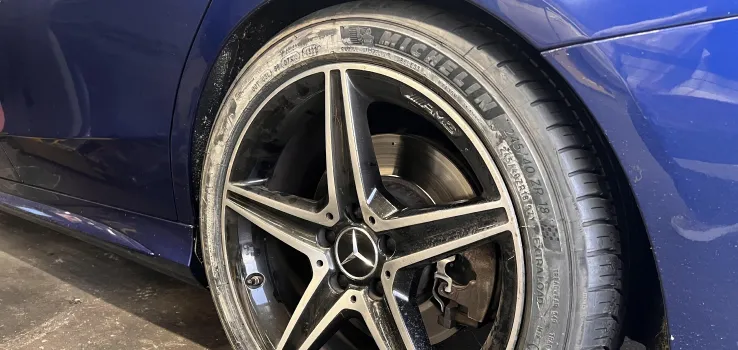
Tyres that are below the recommended pressure create greater rolling resistance.
This means the engine has to work harder to move the vehicle, increasing fuel consumption.
Check your tyre pressures at least once a month and always before long journeys.
Remember to adjust the pressures if you're carrying heavy loads or several passengers, following the recommendations in your owner's handbook.
Correct tyre pressures also improve:
- Tyre lifespan
- Braking performance
- Vehicle handling
- Road safety
2. Maintain Proper Wheel Alignment
Misaligned wheels can increase rolling resistance and cause your tyres to scrub against the road surface rather than roll smoothly.
Signs that your wheels may need alignment include:
- The car pulling to one side
- Uneven tyre wear
- An off-centre steering wheel
- Reduced fuel economy
Professional Hunter Wheel Alignment ensures your wheels are set to the manufacturer's specifications, improving handling and helping to maximise tyre life and fuel efficiency.
3. Drive Smoothly
Aggressive driving wastes fuel.
Rapid acceleration, harsh braking and high-speed driving all increase fuel consumption.
To improve fuel economy:
- Accelerate gradually.
- Maintain a steady speed.
- Anticipate traffic conditions.
- Avoid unnecessary braking.
- Leave enough distance from the vehicle ahead.
Smooth driving reduces the amount of energy required to keep the vehicle moving.
4. Keep Up with Regular Servicing
Routine servicing plays a major role in fuel efficiency.
A professional service may include:
- Engine oil replacement
- Oil filter replacement
- Air filter inspection or replacement
- Spark plug inspection (petrol vehicles)
- Fluid level checks
- Diagnostic testing
A well-maintained engine operates more efficiently, using less fuel while delivering better performance.
5. Replace Dirty Air Filters
The engine requires a steady supply of clean air for efficient combustion.
A clogged air filter can restrict airflow, causing the engine to work harder and potentially increasing fuel consumption.
Replacing the air filter at the recommended service intervals helps maintain optimum engine performance.
6. Reduce Unnecessary Weight
The heavier your vehicle, the more fuel it requires to move.
Remove unnecessary items from the boot, roof box or cabin if they aren't needed.
Travelling lighter reduces the workload on the engine and can improve fuel efficiency, particularly during urban driving.
7. Remove Roof Bars and Roof Boxes When Not in Use
Roof racks and roof boxes increase aerodynamic drag, especially at motorway speeds.
Even empty roof bars can reduce fuel economy.
Removing them when they're no longer needed helps improve airflow around the vehicle and reduces fuel consumption.
8. Avoid Excessive Idling
Leaving the engine running while parked uses fuel without moving the vehicle.
If you're likely to be stationary for more than a minute or two and it is safe to do so, switch off the engine.
Many modern vehicles with Start-Stop technology do this automatically to improve efficiency.
9. Use Air Conditioning Sensibly
Air conditioning places additional demand on the engine, particularly at lower speeds.
Use it when needed for comfort and safety, but avoid running it unnecessarily.
At motorway speeds, using the air conditioning is often more fuel-efficient than driving with the windows fully open, as open windows increase aerodynamic drag.
10. Plan Your Journeys
Several short trips from a cold start usually use more fuel than one longer, well-planned journey.
Where possible:
- Combine multiple errands into one trip.
- Avoid peak traffic times.
- Choose routes with smoother traffic flow.
Reducing stop-start driving can noticeably improve fuel economy.
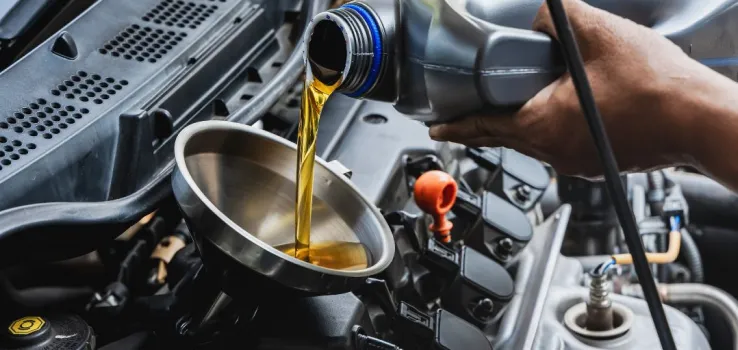
11. Keep Your Engine Oil Fresh
Engine oil reduces friction between moving parts.
As oil ages, it becomes contaminated and less effective at lubricating the engine.
Fresh oil helps the engine run more smoothly and efficiently, particularly during cold starts.
Always use the grade of oil recommended by the manufacturer.
12. Check Your Brakes
Brake problems don't just affect safety—they can also increase fuel consumption.
A sticking brake calliper or partially seized brake can create constant resistance, forcing the engine to work harder.
If you notice:
- The vehicle pulling to one side
- Excessive brake heat
- Reduced fuel economy
- Unusual brake noises
arrange a professional brake inspection.
13. Monitor Warning Lights
Dashboard warning lights can indicate problems that affect fuel efficiency.
Issues such as engine management faults, oxygen sensor failures or emissions system problems may increase fuel consumption if left unresolved.
Never ignore warning lights—early diagnosis often prevents more expensive repairs.
14. Choose the Right Fuel
Always use the fuel grade recommended by your vehicle's manufacturer.
Using a higher-octane petrol than required won't usually improve fuel economy unless your engine has been specifically designed for it.
The correct fuel helps the engine perform as intended.
15. Drive at a Sensible Speed
Fuel consumption increases significantly at higher speeds due to greater aerodynamic resistance.
Maintaining a steady, legal speed on motorways can improve fuel efficiency while also reducing driver fatigue.
Using cruise control where appropriate can help maintain consistent speeds on longer journeys.
Does Regular Maintenance Really Improve Fuel Economy?
Yes.
Routine servicing helps ensure:
- The engine is running efficiently.
- Filters are clean.
- Fluids are at the correct levels.
- Tyres are correctly inflated.
- Wheels are properly aligned.
- Brakes are operating freely.
Small improvements across several systems can add up to noticeable fuel savings over time.
Benefits Beyond Fuel Savings
Improving fuel economy offers more than just lower fuel bills.
It can also help:
- Extend engine life.
- Reduce tyre wear.
- Improve vehicle reliability.
- Lower emissions.
- Enhance driving comfort.
- Reduce long-term maintenance costs.
Looking after your vehicle is one of the best ways to maximise its performance and value.
Why Choose Central Tyres Walsall?
At Central Tyres Walsall, we help motorists reduce running costs with professional vehicle maintenance designed to improve fuel efficiency and overall performance. Our experienced technicians provide Interim, Full and Major Car Servicing, Hunter Wheel Alignment, tyre fitting, wheel balancing, brake inspections, battery testing, AdBlue top-ups, coolant flushes and a complete range of preventative maintenance services for all makes and models.
Using quality replacement parts, manufacturer-approved lubricants and modern diagnostic equipment, we identify issues that may be increasing fuel consumption and recommend cost-effective solutions. With honest advice, transparent pricing and exceptional workmanship, we're committed to helping you get the very best from your vehicle.
Contact Central Tyres Walsall
Address:
29 John Street
Walsall
WS2 8AF
United Kingdom
Phone: 01922 625339
Email: [email protected]
If you've noticed your fuel costs increasing or simply want to improve your vehicle's efficiency, book a professional vehicle health check with Central Tyres Walsall today. Our expert team will inspect your car, identify factors affecting fuel economy and help keep your vehicle running smoothly, efficiently and economically for every journey.
Recent Blogs