Your Basket is Empty!
How Often Should You Get Wheel Alignment?
How Often Should You Get Wheel Alignment?
Wheel alignment is one of the most important yet often overlooked aspects of vehicle maintenance. While many drivers remember to service their car, check their tyre pressure and replace worn tyres, wheel alignment is frequently ignored until a problem becomes obvious. Unfortunately, by that point, your tyres may already be wearing unevenly, your fuel economy may have decreased, and your vehicle's handling may have been affected.
So, how often should you get wheel alignment? The answer depends on your driving habits, the condition of the roads you travel on, and your vehicle's maintenance history. As a general rule, experts recommend having your wheel alignment checked at least once a year or every 10,000 to 12,000 miles, whichever comes first. However, there are several situations where you should have it checked sooner.
In this guide, we'll explain how often wheel alignment should be carried out, the warning signs to watch for, what causes wheels to become misaligned, and why regular Hunter Wheel Alignment can save you money while improving your vehicle's safety and performance.
What Is Wheel Alignment?
Wheel alignment is the process of adjusting the angles of your vehicle's wheels so they meet the manufacturer's specifications. Correct alignment ensures that all four tyres make proper contact with the road, allowing your vehicle to drive straight, handle predictably and wear its tyres evenly.
During a professional Hunter Wheel Alignment, technicians measure and adjust several key angles, including:
- Toe
- Camber
- Caster
- Thrust Angle
Even small changes to these settings can have a significant impact on tyre wear, steering accuracy and fuel efficiency.
Why Is Wheel Alignment Important?
Proper wheel alignment offers many benefits, including:
- Even tyre wear
- Improved steering precision
- Better handling and stability
- Increased fuel efficiency
- Longer tyre lifespan
- Reduced strain on suspension components
- Better braking performance
- More comfortable driving
Ignoring wheel alignment can lead to premature tyre replacement and costly suspension repairs.
How Often Should Wheel Alignment Be Checked?
Although there is no legal requirement in the UK for regular wheel alignment, most vehicle manufacturers and tyre specialists recommend checking it:
- Every 12 months
- Every 10,000–12,000 miles
- Whenever you fit new tyres
- After hitting a pothole or kerb
- Following suspension or steering repairs
- If you notice uneven tyre wear
- If your vehicle starts pulling to one side
Even if your vehicle feels normal, alignment angles can gradually change over time without producing obvious symptoms.
Routine alignment checks help identify minor issues before they become expensive problems.
Why Do Wheels Go Out of Alignment?
Many drivers believe alignment only changes after an accident, but that's not the case.
Your vehicle's alignment can gradually change due to everyday driving.
Potholes
Potholes are one of the biggest causes of wheel misalignment in the UK.
Even a single impact can knock the suspension geometry out of specification.
Kerb Impacts
Accidentally mounting or scraping a kerb while parking can alter wheel alignment.
Although the impact may seem minor, it can still affect steering angles.
Speed Bumps
Driving over speed bumps too quickly places extra stress on suspension components, which may gradually affect alignment.
Suspension Wear
As suspension components wear over time, alignment settings can slowly change.
Regular servicing helps identify worn components before they cause tyre damage.
Steering Repairs
Replacing steering or suspension parts often changes wheel geometry.
A professional alignment should always be carried out after repairs.
Everyday Driving
Normal driving over thousands of miles naturally causes small changes in suspension settings.
This is why annual alignment checks are recommended even if no obvious symptoms appear.
Signs Your Car Needs Wheel Alignment
Your vehicle will often show warning signs when the alignment is incorrect.
Your Car Pulls to One Side
If your vehicle naturally drifts left or right on a straight road, the alignment may need adjusting.
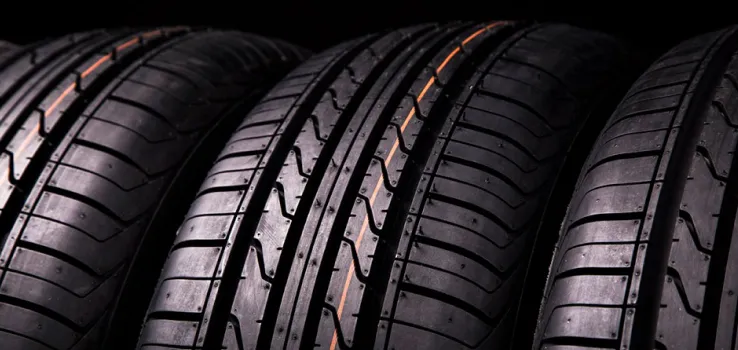
Uneven Tyre Wear
One of the most common signs of poor alignment is uneven tyre wear.
You may notice:
- Inside edge wear
- Outside edge wear
- Feathering
- Scalloping
Ignoring this issue can significantly shorten tyre life.
Steering Wheel Is Off-Centre
When driving straight, your steering wheel should remain centred.
If it sits at an angle, your alignment may be incorrect.
Loose Steering
Poor alignment can make the steering feel vague or unstable.
Correct alignment restores accurate steering response.
Reduced Fuel Economy
Misaligned wheels create additional rolling resistance.
This forces the engine to work harder and increases fuel consumption.
New Tyres Wearing Too Quickly
If you've recently replaced your tyres and they're already showing uneven wear, the underlying cause may be incorrect wheel alignment.
What Happens If You Ignore Wheel Alignment?
Some drivers continue driving despite minor alignment problems.
Unfortunately, this often leads to much larger repair bills.
Ignoring alignment can result in:
- Premature tyre replacement
- Reduced fuel efficiency
- Poor handling
- Longer braking distances
- Increased suspension wear
- Steering problems
- Reduced driving comfort
- Increased running costs
Correcting alignment early is far more affordable than replacing worn tyres every few months.
What Is Hunter Wheel Alignment?
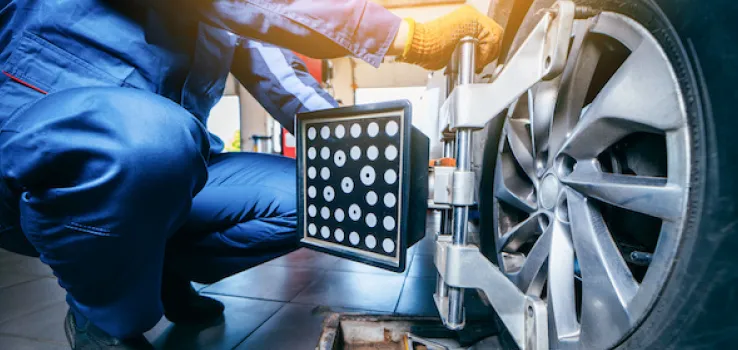
Hunter Wheel Alignment is one of the most advanced alignment systems available.
Unlike traditional laser alignment equipment, Hunter systems use:
- High-definition digital cameras
- Precision wheel targets
- Advanced computer software
- Manufacturer-approved alignment data
The system measures the exact position of every wheel and compares it with the manufacturer's original specifications.
This allows technicians to make highly accurate adjustments, ensuring optimum tyre wear and handling.
Benefits of Hunter Wheel Alignment
Longer Tyre Life
Correct alignment ensures tyres wear evenly, helping them last much longer.
Better Fuel Economy
Properly aligned wheels reduce rolling resistance, helping improve fuel efficiency.
Improved Steering
The steering becomes more accurate, responsive and predictable.
Better Driving Comfort
A correctly aligned vehicle travels straight without constant steering corrections.
Long journeys become less tiring.
Increased Safety
Proper alignment improves:
- Road grip
- Vehicle stability
- Braking performance
- Cornering control
Especially during wet weather.
Should You Have Wheel Alignment After New Tyres?
Yes.
Many drivers replace worn tyres without checking alignment.
If the previous tyres wore unevenly, the new tyres will do exactly the same unless the alignment problem is corrected.
Having Hunter Wheel Alignment carried out when fitting new tyres protects your investment and helps maximise tyre lifespan.
Can Poor Wheel Alignment Affect Fuel Economy?
Absolutely.
When wheels are not aligned correctly, they no longer roll efficiently.
This creates additional resistance, forcing the engine to use more fuel.
Although the increase may seem small, poor alignment can cost drivers hundreds of pounds in additional fuel and tyre replacement over time.
How Long Does Wheel Alignment Take?
A typical Hunter Wheel Alignment inspection and adjustment usually takes 30 to 60 minutes, depending on your vehicle and whether any adjustments are required.
If worn suspension or steering components are discovered, repairs may be needed before the alignment can be completed accurately.
How to Keep Your Wheels Properly Aligned
You can help maintain correct alignment by:
- Avoiding potholes whenever possible
- Driving carefully over speed bumps
- Avoiding mounting kerbs
- Maintaining correct tyre pressures
- Having your suspension inspected during servicing
- Booking annual Hunter Wheel Alignment checks
- Checking alignment whenever new tyres are fitted
Preventative maintenance helps reduce long-term repair costs.
Why Choose Central Tyres Walsall?
At Central Tyres Walsall, we use industry-leading Hunter Wheel Alignment technology to provide accurate wheel alignment for all makes and models of cars and light commercial vehicles. Our experienced technicians use advanced digital imaging equipment to ensure your wheels are aligned to the manufacturer's exact specifications, helping to maximise tyre life, improve fuel economy and enhance driving comfort.
Alongside Hunter Wheel Alignment, we offer tyre fitting, wheel balancing, car servicing, brake repairs, battery replacement, AdBlue top-ups, coolant drain and refill services, and a wide range of vehicle maintenance. Whether you need a routine alignment check or you've noticed steering or tyre wear issues, our friendly team is here to provide honest advice and professional service.
Contact Central Tyres Walsall
Address:
29 John Street
Walsall
WS2 8AF
United Kingdom
Phone: 01922 625339
Email: [email protected]
If it's been over a year since your last wheel alignment, or you've recently hit a pothole, fitted new tyres or noticed uneven tyre wear, visit Central Tyres Walsall for a professional Hunter Wheel Alignment check. We'll help keep your vehicle safe, your tyres lasting longer and your driving experience as smooth and efficient as possible.
Recent Blogs