Your Basket is Empty!
What Is Included in a Full Car Service?
What Is Included in a Full Car Service?
Regular vehicle maintenance is one of the most effective ways to keep your car safe, reliable and running efficiently. While many drivers know the importance of changing the engine oil or replacing worn tyres, they are often unsure about what actually happens during a full car service.
A full car service is far more than a simple oil change. It is a comprehensive inspection of your vehicle's key mechanical, electrical and safety components, helping to identify potential problems before they become expensive repairs. Whether you drive a petrol, diesel, hybrid or electric vehicle, routine servicing helps maximise performance, improve fuel efficiency and extend the life of your car.
In this guide, we'll explain what is included in a full car service, why it's important, how often it should be carried out, and how regular servicing can save you money while keeping your vehicle roadworthy.
What Is a Full Car Service?
A full car service is a detailed maintenance inspection carried out according to the manufacturer's recommended service schedule. It includes replacing essential service items, checking fluid levels, inspecting safety-critical components and identifying wear or damage before it leads to breakdowns.
Unlike an interim service, which focuses on the basics, a full service provides a much more thorough examination of your vehicle.
The exact checklist may vary depending on the make and model of your car, but most full services include around 50 to 70 individual checks.
Why Is a Full Car Service Important?
Regular servicing helps ensure your vehicle remains safe, reliable and economical to run.
Some of the main benefits include:
- Improved engine performance
- Better fuel efficiency
- Reduced emissions
- Increased vehicle reliability
- Lower repair costs
- Longer engine life
- Improved road safety
- Higher resale value
- Better driving comfort
- Peace of mind
Routine servicing also helps identify small issues before they become major mechanical failures.
What Is Included in a Full Car Service?
A professional full car service covers multiple areas of your vehicle.
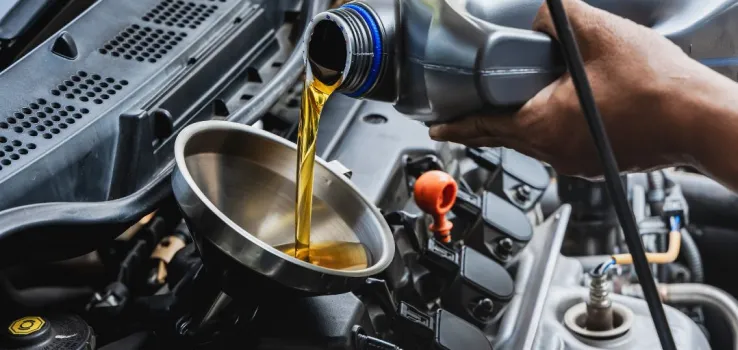
1. Engine Oil Change
Engine oil lubricates the engine's moving parts, helping to reduce friction and prevent excessive wear.
Over time, oil becomes contaminated with dirt and debris, reducing its effectiveness.
During a full service, the old oil is drained and replaced with fresh oil that meets the manufacturer's specification.
Fresh engine oil helps:
- Protect engine components
- Improve fuel efficiency
- Reduce engine wear
- Maintain optimum performance
2. Oil Filter Replacement
The oil filter removes contaminants from the engine oil.
A blocked filter restricts oil flow and reduces engine protection.
Replacing the oil filter during every full service ensures clean oil continues circulating through the engine.
3. Air Filter Inspection or Replacement
The engine air filter prevents dust, dirt and debris from entering the engine.
A clogged air filter can reduce airflow, leading to:
- Lower engine performance
- Poor fuel economy
- Increased emissions
If necessary, the air filter will be replaced.
4. Cabin (Pollen) Filter Inspection
The cabin filter cleans the air entering your vehicle's interior.
A blocked filter can reduce heating and air conditioning performance while allowing dust and allergens into the cabin.
Replacement improves air quality and passenger comfort.
5. Brake Inspection
Brakes are one of the most important safety systems on your vehicle.
A full service includes checking:
- Brake pads
- Brake discs
- Brake callipers
- Brake pipes
- Brake hoses
- Brake operation
Any excessive wear or damage will be identified and reported.
6. Brake Fluid Check
Brake fluid absorbs moisture over time, reducing braking performance.
During servicing, technicians check:
- Brake fluid level
- Brake fluid condition
- Signs of contamination
Brake fluid replacement may be recommended if necessary.
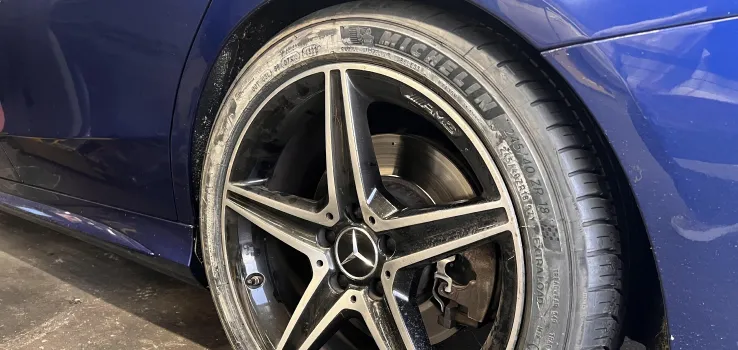
7. Tyre Inspection
Your tyres are carefully checked for:
- Tread depth
- Uneven wear
- Sidewall damage
- Tyre pressure
- General condition
Proper tyre maintenance improves safety and fuel efficiency.
8. Wheel Alignment Check
Uneven tyre wear often indicates poor wheel alignment.
Many professional garages recommend checking Hunter Wheel Alignment during servicing to maximise tyre life and improve vehicle handling.
Correct alignment also helps reduce fuel consumption.
9. Wheel Balancing Inspection
If vibration has been reported or uneven tyre wear is present, the wheels may also be inspected for balance.
Proper wheel balancing improves ride comfort and extends tyre life.
10. Battery Health Check
A weak battery can leave you stranded without warning.
During a full service, technicians inspect:
- Battery condition
- Voltage
- Charging performance
- Battery terminals
Early detection helps prevent unexpected breakdowns.
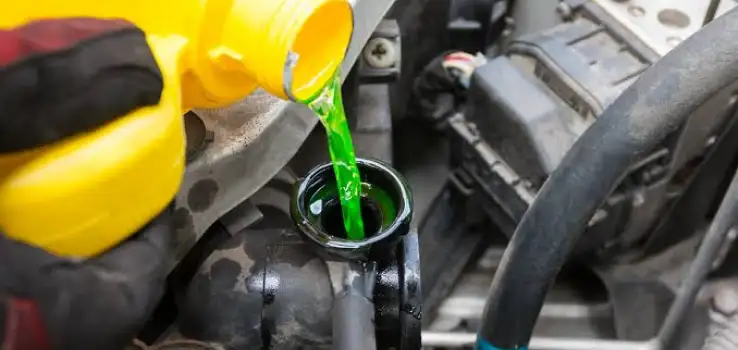
11. Coolant Inspection
The cooling system prevents your engine from overheating.
The coolant is checked for:
- Correct level
- Strength
- Leaks
- Overall condition
Maintaining the correct coolant level protects the engine from overheating and corrosion.
12. AdBlue Level Check (Diesel Vehicles)
For modern diesel vehicles, the AdBlue system is inspected.
The technician checks:
- AdBlue level
- Warning messages
- System condition
Maintaining adequate AdBlue helps reduce harmful emissions.
13. Steering and Suspension Inspection
The suspension system plays a major role in vehicle handling and comfort.
Components checked include:
- Shock absorbers
- Springs
- Ball joints
- Track rod ends
- Suspension bushes
Any worn components are reported before they become safety issues.
14. Lights and Electrical System
All exterior and interior lights are inspected, including:
- Headlights
- Brake lights
- Indicators
- Reverse lights
- Number plate lights
- Fog lights
The horn and other electrical functions are also checked.
15. Windscreen and Wipers
Visibility is essential for safe driving.
The service includes checking:
- Windscreen condition
- Wiper blades
- Washer operation
- Washer fluid level
16. Drive Belts and Hoses
Belts and hoses are inspected for:
- Cracks
- Wear
- Leaks
- Damage
Replacing worn components early helps avoid unexpected failures.
17. Exhaust System Inspection
The exhaust system is checked for:
- Corrosion
- Leaks
- Loose mountings
- Damage
A healthy exhaust helps maintain fuel efficiency and reduce emissions.
18. General Safety Inspection
Finally, technicians carry out an overall inspection of the vehicle.
This includes checking:
- Fluid leaks
- Vehicle underbody
- Fasteners
- General condition
- Roadworthiness
Any issues requiring attention are explained before repairs are carried out.
How Long Does a Full Car Service Take?
A full car service typically takes between 2 and 3 hours, depending on:
- Vehicle make and model
- Vehicle age
- Service schedule
- Additional repairs required
Larger vehicles or cars requiring extra work may take longer.
How Often Should You Have a Full Car Service?
Most manufacturers recommend a full service:
- Every 12 months, or
- Every 12,000 miles, whichever comes first.
However, always follow your vehicle manufacturer's recommended service schedule, as intervals may vary depending on the make, model and driving conditions.
If you regularly drive in heavy traffic, make frequent short journeys or tow trailers, more frequent servicing may be beneficial.
What Happens If You Skip a Full Car Service?
Missing regular servicing can lead to:
- Increased engine wear
- Reduced fuel efficiency
- Poor braking performance
- Premature tyre wear
- Unexpected breakdowns
- More expensive repairs
- Lower resale value
- Reduced reliability
Routine servicing is far more affordable than repairing major mechanical failures.
Benefits of Regular Full Car Servicing
Regular servicing offers long-term advantages:
- Improved reliability
- Better fuel economy
- Longer engine life
- Enhanced safety
- Reduced repair costs
- Higher resale value
- Better driving performance
- Early fault detection
- Compliance with manufacturer maintenance schedules
Keeping up with regular servicing is one of the best investments you can make in your vehicle.
Why Choose Central Tyres Walsall for Your Full Car Service?
At Central Tyres Walsall, we provide professional full car servicing for all makes and models using high-quality parts and manufacturer-approved lubricants. Our experienced technicians carry out comprehensive inspections to ensure your vehicle remains safe, reliable and performing at its best.
Alongside full car servicing, we also offer tyre fitting, Hunter Wheel Alignment, wheel balancing, brake servicing, battery replacement, AdBlue top-ups, coolant drain and refill services, locking wheel nut removal and a full range of vehicle maintenance. We believe in honest advice, transparent pricing and quality workmanship, ensuring every customer receives outstanding service.
Contact Central Tyres Walsall
Address
29 John Street
Walsall
WS2 8AF
United Kingdom
Phone
If your vehicle is due for its next service, book a Full Car Service with Central Tyres Walsall today. Our friendly team will carry out a comprehensive inspection, identify any potential issues and help keep your car running safely, efficiently and reliably throughout the year.
Recent Blogs