Your Basket is Empty!
15 Essential Car Maintenance Tips Every Driver Should Know
15 Essential Car Maintenance Tips Every Driver Should Know
Owning a car comes with the responsibility of keeping it safe, reliable and roadworthy. While modern vehicles are more dependable than ever, they still require regular maintenance to perform at their best. Ignoring routine checks can lead to unexpected breakdowns, reduced fuel efficiency, costly repairs and even safety risks for you and other road users.
The good news is that many common vehicle problems can be prevented through simple maintenance and timely servicing. Whether you're a new driver or have years of motoring experience, understanding the basics of vehicle care can help extend the life of your car, improve performance and reduce long-term running costs.
In this guide, we'll cover 15 essential car maintenance tips every driver should know. From checking tyre pressures and fluid levels to servicing your brakes and battery, these practical tips will help you keep your vehicle in excellent condition all year round.
Why Regular Car Maintenance Is Important
Routine maintenance isn't just about preventing breakdowns—it's about ensuring your vehicle remains safe, efficient and reliable.
Benefits of regular maintenance include:
- Improved road safety
- Better fuel economy
- Longer vehicle lifespan
- Reduced repair costs
- Improved reliability
- Lower emissions
- Higher resale value
A well-maintained vehicle is also more likely to pass its MOT without unexpected repair bills.
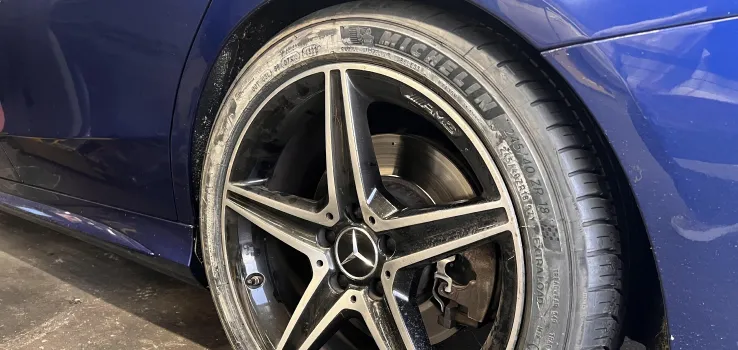
1. Check Your Tyre Pressure Regularly
Tyres are your vehicle's only contact with the road, making them one of the most important components to maintain.
Underinflated tyres can:
- Increase fuel consumption
- Cause uneven tyre wear
- Reduce braking performance
- Affect handling
Check tyre pressures at least once a month and before long journeys, using the manufacturer's recommended settings.
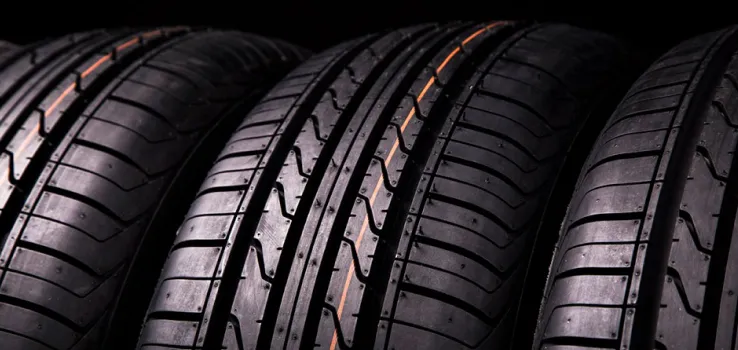
2. Inspect Tyre Tread and Condition
The UK legal minimum tyre tread depth is 1.6 mm, but replacing tyres before they reach this limit can significantly improve grip in wet weather.
Look for:
- Uneven wear
- Cuts
- Bulges
- Cracks
- Embedded objects
Damaged tyres should be inspected and replaced if necessary.
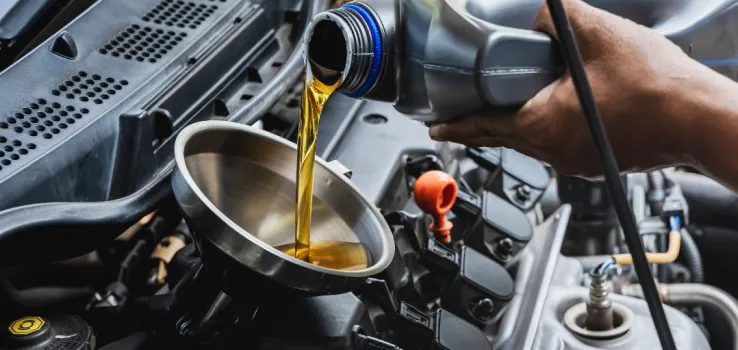
3. Monitor Engine Oil Levels
Engine oil lubricates moving parts, reduces friction and helps regulate engine temperature.
Check the oil level regularly using the dipstick and top up with the correct grade if needed.
If your oil is due for replacement, book a service rather than delaying maintenance.
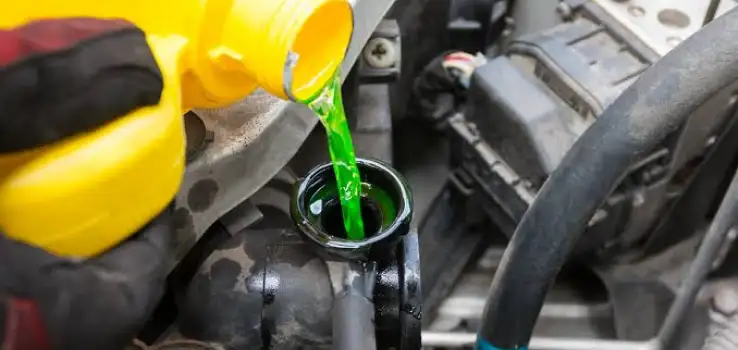
4. Keep Coolant at the Correct Level
Coolant helps prevent both overheating in summer and freezing during winter.
Regularly inspect the coolant reservoir and ensure the level sits between the minimum and maximum marks.
If the coolant frequently drops, have the cooling system checked for leaks.
5. Test Your Car Battery
Many battery failures occur without warning.
Signs of a weakening battery include:
- Slow engine starting
- Dim headlights
- Dashboard battery warning light
- Electrical faults
If your battery is more than three to five years old, consider having it professionally tested.
6. Check Brake Performance
Your brakes are one of the most important safety systems on your vehicle.
Arrange an inspection if you notice:
- Squealing noises
- Grinding sounds
- Vibrations
- Reduced braking performance
- A soft brake pedal
Replacing worn brake pads early helps prevent damage to brake discs.
7. Replace Windscreen Wipers When Needed
Clear visibility is essential in all weather conditions.
Replace wiper blades if they:
- Leave streaks
- Smear the windscreen
- Skip across the glass
- Make excessive noise
Most wiper blades benefit from replacement every 6–12 months, depending on use.
8. Check Exterior Lights
Inspect your:
- Headlights
- Brake lights
- Indicators
- Rear lights
- Fog lights
- Number plate lights
Faulty lights reduce visibility and may result in an MOT failure.
9. Maintain Correct Wheel Alignment
Incorrect wheel alignment can cause:
- Uneven tyre wear
- Poor handling
- Steering pull
- Increased fuel consumption
Professional Hunter Wheel Alignment ensures your wheels are set to the manufacturer's specifications, improving both safety and tyre life.
10. Replace Air Filters at Service Intervals
The engine air filter prevents dirt and debris from entering the engine.
A blocked air filter can reduce engine performance and fuel efficiency.
Replacing it at the recommended intervals helps maintain optimum engine operation.
11. Listen for Unusual Noises
Your vehicle often gives early warning signs before a fault develops into a major problem.
Pay attention to:
- Knocking sounds
- Squealing brakes
- Grinding noises
- Whining from the engine bay
- Suspension clunks
Prompt diagnosis usually prevents more extensive repairs.
12. Don't Ignore Dashboard Warning Lights
Modern vehicles continuously monitor their own systems.
Warning lights relating to the engine, brakes, battery or tyres should never be ignored.
Early diagnosis using professional diagnostic equipment can often identify faults before they become more serious.
13. Keep Your Vehicle Clean
Regular washing removes dirt, road salt and contaminants that can contribute to corrosion.
Don't forget to clean:
- Alloy wheels
- Underside (where practical)
- Door shuts
- Windscreen
- Lights
Applying wax or paint protection can help preserve the vehicle's appearance.
14. Follow the Manufacturer's Service Schedule
Routine servicing helps keep every major system working efficiently.
Depending on your vehicle, servicing may include:
- Engine oil replacement
- Oil filter replacement
- Air filter replacement
- Brake inspection
- Suspension checks
- Fluid inspections
- Battery testing
- Diagnostic scan
Following the recommended service schedule can improve reliability and help protect your vehicle's value.
15. Book Professional Inspections Before Problems Get Worse
If something doesn't feel right, don't wait until the problem becomes more serious.
Early inspection can often prevent:
- Costly engine repairs
- Tyre replacement
- Brake damage
- Cooling system failures
- Roadside breakdowns
Professional maintenance is almost always more affordable than emergency repairs.
Seasonal Maintenance Matters Too
Vehicle maintenance requirements change throughout the year.
During winter:
- Check battery performance.
- Inspect tyres carefully.
- Use winter screen wash.
- Test heaters and demisters.
During summer:
- Monitor coolant levels.
- Check air conditioning performance.
- Inspect tyres before long journeys.
- Avoid overloading the vehicle.
Seasonal maintenance helps keep your vehicle prepared for changing road conditions.
Create a Simple Monthly Maintenance Routine
Setting aside just a few minutes each month can make a big difference.
A basic monthly checklist includes:
- Check tyre pressures.
- Inspect tyre tread.
- Check engine oil.
- Check coolant level.
- Top up screen wash.
- Test lights.
- Inspect wiper blades.
- Listen for unusual noises.
- Look for fluid leaks beneath the vehicle.
These simple checks can help identify potential issues before they require expensive repairs.
Why Regular Servicing Saves Money
Some motorists delay servicing to save money, but this often has the opposite effect.
Routine maintenance helps:
- Improve fuel economy.
- Reduce tyre wear.
- Extend engine life.
- Prevent major mechanical failures.
- Maintain resale value.
Investing in preventative maintenance is one of the most cost-effective ways to own a vehicle.
Why Choose Central Tyres Walsall?
At Central Tyres Walsall, we provide comprehensive vehicle maintenance and servicing for all makes and models, helping motorists keep their cars safe, reliable and running efficiently throughout the year. Our experienced technicians offer Interim, Full and Major Car Servicing, Hunter Wheel Alignment, tyre fitting, puncture repairs, wheel balancing, brake repairs, battery replacement, coolant flushes, AdBlue top-ups, locking wheel nut removal and a complete range of professional vehicle maintenance services.
Using modern diagnostic equipment, quality replacement parts and manufacturer-approved lubricants, we identify developing faults before they become expensive repairs. With honest advice, transparent pricing and exceptional workmanship, we're committed to providing outstanding customer service and helping drivers across Walsall enjoy worry-free motoring.
Contact Central Tyres Walsall
Address:
29 John Street
Walsall
WS2 8AF
United Kingdom
Phone: 01922 625339
Email: [email protected]
Whether your vehicle is due for a service, you've noticed a warning light or you simply want peace of mind, contact Central Tyres Walsall today to book a professional vehicle health check. Our expert team is here to help keep your car performing safely and efficiently, whatever the season.
Recent Blogs