Your Basket is Empty!
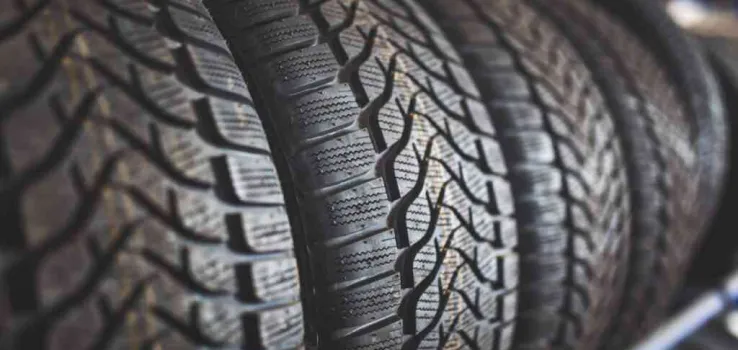
How Long Do Car Tyres Last?
How Long Do Car Tyres Last?
Your car's tyres are one of the hardest-working components of your vehicle. They provide the grip needed for safe braking, steering, cornering and overall stability in every driving condition. Yet many drivers wonder the same question: How Long Do Car Tyres Last?
The truth is that there isn't a single answer. The lifespan of a tyre depends on several factors, including driving habits, road conditions, mileage, tyre quality and how well the tyres are maintained. While some tyres may last only 20,000 miles, others can safely cover 40,000 miles or more with proper care.
In this guide, we'll explain how long car tyres typically last, the factors that affect tyre life, how to spot signs of wear and what you can do to maximise the lifespan of your tyres.
How Long Do Car Tyres Typically Last?
Most car tyres last between 20,000 and 40,000 miles. However, this varies depending on the type of vehicle, driving style and the quality of the tyres.
As a general guide:
- Premium tyres: Approximately 35,000–45,000 miles
- Mid-range tyres: Around 25,000–35,000 miles
- Budget tyres: Typically 20,000–30,000 miles
Mileage alone shouldn't determine when to replace your tyres. Their condition, tread depth and age are equally important.
Even if your tyres have covered relatively few miles, they should still be inspected regularly for signs of ageing or damage.
Does Tyre Age Matter?
Yes. Tyres naturally deteriorate over time, even if they are not used frequently.
Exposure to sunlight, changing temperatures, moisture and road contaminants gradually causes the rubber compound to harden. As the rubber ages, the tyre may develop cracks and lose flexibility, reducing grip and braking performance.
Most tyre manufacturers recommend having tyres inspected annually once they reach five years of age. Regardless of tread depth, tyres that are around ten years old should generally be replaced, as ageing can compromise safety.
You can check the age of your tyres by looking for the DOT code on the sidewall. The last four digits indicate the week and year of manufacture. For example, 1824 means the tyre was manufactured in the 18th week of 2024.
What Factors Affect Tyre Life?
Several factors influence how long your tyres will last.
Driving Style
Aggressive acceleration, harsh braking and fast cornering all increase tyre wear.
Smooth driving helps reduce unnecessary friction and extends tyre life.
Road Conditions
Driving regularly on rough roads, potholes, uneven surfaces or poorly maintained roads can cause tyres to wear more quickly.
Impact damage from potholes can also affect wheel alignment, leading to uneven tyre wear.
Wheel Alignment
Incorrect wheel alignment is one of the most common causes of premature tyre wear.
When your wheels are not correctly aligned, the tyres do not make even contact with the road, causing one edge of the tread to wear faster than the other.
Regular Hunter Wheel Alignment helps maximise tyre life while improving handling and fuel efficiency.
Tyre Pressure
Incorrect tyre pressure significantly affects tyre lifespan.
- Under-inflated tyres wear more on the outer edges.
- Over-inflated tyres wear excessively in the centre.
Checking tyre pressures at least once a month helps ensure even wear and optimum performance.
Wheel Balancing
Unbalanced wheels create vibration, which increases tyre wear and reduces driving comfort.
Balancing your wheels whenever new tyres are fitted helps extend tyre life and provides a smoother driving experience.
Vehicle Load
Carrying excessive weight places additional stress on the tyres, increasing heat build-up and accelerating tread wear.
Always follow your vehicle manufacturer's recommended load limits.
How Can You Tell If Your Tyres Need Replacing?
Tyres don't always need replacing because of age alone. Watch for these common warning signs.
Low Tread Depth
The legal minimum tread depth in the UK is 1.6mm across the central three-quarters of the tyre and around its entire circumference.
However, many experts recommend replacing tyres once tread reaches around 3mm, particularly for improved wet-weather performance.
Uneven Wear
Uneven tread usually indicates:
- Poor wheel alignment
- Incorrect tyre pressure
- Suspension issues
- Wheel imbalance
Ignoring uneven wear shortens tyre life and affects vehicle handling.
Cracks and Sidewall Damage
Inspect your tyres regularly for:
- Cracks
- Bulges
- Blisters
- Cuts
Sidewall damage weakens the tyre and increases the risk of sudden failure.
Frequent Pressure Loss
A tyre that repeatedly loses air may have a slow puncture, damaged valve or internal structural damage.
Have it inspected as soon as possible.
Excessive Vibration
Vibration while driving can indicate worn tyres, wheel imbalance or alignment issues.
Prompt diagnosis helps prevent further damage.
How to Make Your Tyres Last Longer
Simple maintenance can significantly increase tyre life.
Check Tyre Pressure Monthly
Maintaining the correct tyre pressure reduces uneven wear and improves fuel economy.
Inspect Your Tyres Regularly
Look for:
- Cuts
- Nails
- Bulges
- Cracks
- Uneven tread
Early detection can prevent more expensive repairs.
Book Regular Wheel Alignment
If your steering feels off-centre or your vehicle pulls to one side, have the alignment checked promptly.
Professional Hunter Wheel Alignment helps tyres wear evenly and improves handling.
Balance Your Wheels
Wheel balancing should always be carried out when fitting new tyres or if vibration develops while driving.
Drive Smoothly
Avoid:
- Harsh braking
- Rapid acceleration
- Fast cornering
Gentle driving reduces unnecessary tyre wear.
Avoid Overloading Your Vehicle
Excessive weight increases stress on the tyres and reduces their lifespan.
Why Replacing Worn Tyres Is Important
Driving on worn tyres affects far more than just tyre performance.
New tyres provide:
- Shorter stopping distances
- Better wet-weather grip
- Improved fuel efficiency
- Enhanced steering response
- Reduced risk of aquaplaning
- Greater overall driving safety
Replacing tyres before they become dangerously worn helps protect both your vehicle and everyone on the road.
Professional Tyre Inspections Make a Difference
Although regular visual checks are important, professional tyre inspections can identify issues that may not be immediately obvious.
A qualified technician can check:
- Tyre tread depth
- Overall tyre condition
- Wheel alignment
- Wheel balancing
- Tyre pressures
- Valve condition
- Suspension-related wear
Routine inspections help maximise tyre life while improving vehicle safety and performance.
Choose Central Tyres Walsall for Professional Tyre Services
At Central Tyres Walsall, we provide expert tyre inspections, tyre replacement, wheel balancing, Hunter Wheel Alignment and vehicle maintenance for drivers across Walsall and the surrounding areas.
Whether you need a single replacement tyre, a full set of tyres, a professional alignment check or advice on extending the life of your tyres, our experienced team is here to help. We stock a wide range of premium, mid-range and budget tyres to suit every vehicle and budget, ensuring you receive the right solution at a competitive price.
Contact Central Tyres Walsall
Address:
29 John Street
Walsall
WS2 8AF
United Kingdom
Phone: 01922 625339
Email: [email protected]
If you're unsure about the condition of your tyres or would like a professional inspection, visit Central Tyres Walsall today. We'll ensure your tyres are safe, roadworthy and ready to deliver reliable performance throughout the year.
Recent Blogs