Your Basket is Empty!
Why Is My Car Overheating?
Why Is My Car Overheating? Common Causes Explained
Seeing your vehicle's temperature gauge climb into the red or noticing steam coming from under the bonnet can be alarming. Engine overheating is one of the most serious problems a motorist can experience because, if ignored, it can quickly lead to expensive engine damage.
Modern vehicles are designed to maintain a stable operating temperature through a sophisticated cooling system. When any part of that system fails, heat can build up rapidly, putting the engine under severe stress. The good news is that many overheating issues begin with small faults that can be identified and repaired before they become major problems.
So, why is your car overheating? The causes can range from low coolant levels and leaking hoses to a faulty thermostat, failed water pump or blocked radiator. Recognising the warning signs early and arranging a professional inspection can save you from costly repairs and unexpected breakdowns.
In this guide, we'll explain the most common causes of engine overheating, what to do if your vehicle overheats and how regular maintenance can help prevent future problems.
How Does Your Car's Cooling System Work?
Your engine generates a huge amount of heat whenever it's running.
To keep temperatures under control, the cooling system continuously circulates coolant through the engine and radiator.
The system works by:
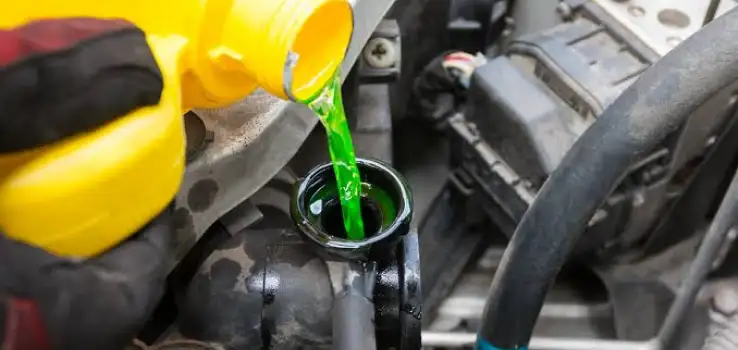
- Coolant absorbing heat from the engine.
- The water pump circulating the coolant through the system.
- The thermostat regulating coolant flow according to engine temperature.
- The radiator releasing heat into the air.
- The cooled coolant returning to the engine.
If any of these components fail, the engine may begin to overheat.
Warning Signs Your Engine Is Overheating
Recognising the early symptoms can prevent serious engine damage.
Common warning signs include:
- Temperature gauge rising above normal.
- Engine temperature warning light.
- Steam coming from under the bonnet.
- Sweet smell of coolant.
- Reduced engine performance.
- Heater blowing cold air.
- Coolant leaking beneath the vehicle.
- Warning messages on the dashboard.
If you notice any of these symptoms, your vehicle should be inspected as soon as possible.
1. Low Coolant Level
The most common cause of engine overheating is low coolant.
Without enough coolant circulating through the engine, excess heat cannot be removed efficiently.
Low coolant levels may result from:
- Natural loss over many years.
- Small leaks.
- Poor maintenance.
- Previous repairs.
If the coolant level repeatedly drops, simply topping it up isn't enough—the underlying cause should be identified and repaired.
2. Coolant Leaks
A leak anywhere in the cooling system can quickly reduce coolant levels.
Common leak locations include:
- Radiator hoses
- Expansion tank
- Radiator
- Water pump
- Hose connections
- Heater matrix
Signs of a coolant leak include:
- Green, pink, orange or blue fluid beneath the vehicle.
- A sweet smell around the engine.
- Frequent coolant top-ups.
Leaks should be repaired promptly to prevent overheating.
3. Faulty Thermostat
The thermostat controls when coolant flows from the engine to the radiator.
If it becomes stuck closed:
- Coolant cannot circulate properly.
- Heat builds rapidly inside the engine.
- The temperature gauge rises quickly.
A faulty thermostat is a common cause of sudden overheating.
Fortunately, it is usually a relatively straightforward repair when diagnosed early.
4. Radiator Problems
The radiator removes heat from the coolant before it returns to the engine.
Over time, radiators can develop:
- Internal blockages
- External debris build-up
- Corrosion
- Leaks
A blocked or damaged radiator cannot cool the coolant effectively, allowing engine temperatures to rise.
Regular servicing includes inspecting the radiator for signs of deterioration.
5. Failed Water Pump
The water pump circulates coolant throughout the engine and cooling system.
If it fails:
- Coolant flow slows or stops.
- Heat cannot be carried away efficiently.
- The engine overheats rapidly.
Common signs of water pump failure include:
- Coolant leaks
- Grinding or whining noises
- Overheating
- Steam from the engine bay
Ignoring a failing water pump can result in severe engine damage.
6. Cooling Fan Failure
The cooling fan draws air through the radiator when the vehicle is stationary or travelling slowly.
If the fan fails, overheating is more likely in:
- Slow-moving traffic
- Traffic jams
- Urban driving
- Idling
Possible causes include:
- Blown fuses
- Faulty fan motor
- Temperature sensor faults
- Wiring problems
A technician can diagnose the fault using modern diagnostic equipment.
7. Old or Contaminated Coolant
Engine coolant doesn't last forever.
Over time, it can:
- Lose corrosion inhibitors.
- Become contaminated.
- Develop rust particles.
- Lose cooling efficiency.
Old coolant is less effective at transferring heat and protecting internal components.
Most manufacturers recommend replacing coolant every three to five years, depending on the vehicle and coolant type.
8. Blocked Cooling System
Rust, debris and scale can accumulate inside the cooling system over time.
These deposits restrict coolant flow, reducing the system's ability to remove heat.
A professional coolant flush removes contaminants and restores efficient cooling performance.
9. Faulty Radiator Cap
Although small, the radiator cap plays an important role in maintaining the correct pressure within the cooling system.
If it fails:
- Coolant may escape.
- Pressure drops.
- The coolant's boiling point decreases.
- Overheating becomes more likely.
Replacing a faulty radiator cap is inexpensive compared with repairing overheating damage.
10. Head Gasket Failure
One of the most serious causes of overheating is a damaged head gasket.
Possible symptoms include:
- Persistent overheating
- White exhaust smoke
- Coolant loss with no visible leak
- Milky engine oil
- Poor engine performance
Head gasket repairs can be costly, making early diagnosis extremely important.
What Should You Do If Your Car Overheats?
Stay Calm
Avoid sudden braking or harsh manoeuvres.
Switch Off the Air Conditioning
This reduces engine load.
Turn the Heater On
Although uncomfortable, the heater draws heat away from the engine and may help reduce the temperature temporarily.
Pull Over Safely
Stop as soon as it is safe to do so.
Switch Off the Engine
Allow the engine to cool completely.
Never Remove the Coolant Cap While Hot
The cooling system is pressurised, and removing the cap while hot can cause serious burns from escaping steam and coolant.
Arrange Professional Assistance
If the cause of the overheating is unknown, have the vehicle inspected before driving further.
How Can You Prevent Overheating?
Routine maintenance dramatically reduces the likelihood of overheating.
Simple preventative measures include:
- Checking coolant levels regularly.
- Replacing coolant at the recommended intervals.
- Inspecting hoses for leaks.
- Having the cooling system serviced.
- Replacing worn thermostats or water pumps when necessary.
- Booking regular vehicle servicing.
Preventative maintenance is far cheaper than repairing an overheated engine.
Why Regular Servicing Matters
Professional servicing allows technicians to inspect:
- Coolant condition
- Coolant level
- Radiator
- Water pump
- Thermostat
- Cooling fan
- Hoses
- Expansion tank
- Overall cooling system performance
Small faults can often be repaired before they cause expensive engine damage.
Why Choose Central Tyres Walsall?
At Central Tyres Walsall, we provide professional cooling system inspections, coolant top-ups, complete coolant flushes and diagnostic checks for all makes and models. Our experienced technicians use manufacturer-approved coolant and modern diagnostic equipment to identify overheating problems quickly and accurately, helping to protect your engine from unnecessary damage.
Alongside cooling system maintenance, we also offer Interim, Full and Major Car Servicing, brake repairs, Hunter Wheel Alignment, tyre fitting, wheel balancing, battery replacement, AdBlue top-ups, locking wheel nut removal and a comprehensive range of vehicle maintenance services. We are committed to honest advice, transparent pricing and high-quality workmanship, ensuring every customer receives reliable service and complete peace of mind.
Contact Central Tyres Walsall
Address:
29 John Street
Walsall
WS2 8AF
United Kingdom
Phone: 01922 625339
Email: [email protected]
If your vehicle is overheating, the temperature warning light has appeared or you've noticed coolant leaks or steam from under the bonnet, don't ignore the problem. Contact Central Tyres Walsall today to book a professional cooling system inspection. Our expert team will diagnose the cause, carry out the necessary repairs and help keep your vehicle running safely and efficiently.
Recent Blogs