Your Basket is Empty!
How Long Does a Car Battery Last?
How Long Does a Car Battery Last?
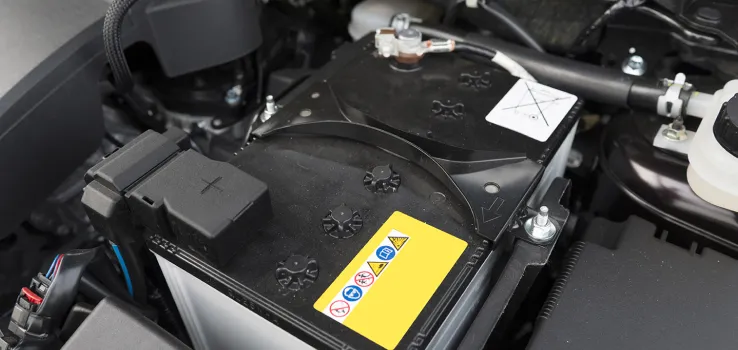
Your car battery is one of the hardest-working components in your vehicle. Every journey begins with it supplying the power needed to start the engine, while it also supports essential electrical systems such as the lights, infotainment system, central locking, electric windows and onboard electronics.
Although car batteries are built to be durable, they don't last forever. Like any consumable component, their performance gradually declines over time. A failing battery can leave you stranded without warning, often at the most inconvenient moment.
So, how long does a car battery last? In most cases, a standard 12-volt car battery lasts between three and five years. However, its lifespan depends on several factors, including driving habits, weather conditions, vehicle type, battery quality and how well it is maintained.
In this guide, we'll explain how long a car battery typically lasts, the factors that affect battery life, the warning signs of a failing battery and how you can maximise its lifespan.
What Does a Car Battery Do?
The battery stores electrical energy and supplies power whenever your vehicle needs it.
Its main responsibilities include:
- Starting the engine
- Powering the starter motor
- Operating dashboard electronics
- Supplying electricity when the engine is off
- Supporting the vehicle's computer systems
- Providing power to security systems
- Stabilising the vehicle's electrical supply
Once the engine is running, the alternator recharges the battery while also powering the vehicle's electrical components.
How Long Does a Car Battery Normally Last?
The average lifespan of a car battery is:
- 3 to 5 years for most petrol and diesel vehicles.
- Around 4 to 6 years for some premium batteries under favourable driving conditions.
- Less than 3 years if subjected to frequent short journeys, extreme temperatures or poor maintenance.
Even if your battery appears to be working normally, it's a good idea to have it tested annually once it reaches three years of age.
What Factors Affect Battery Life?
Several factors influence how long your battery will last.
1. Driving Habits
Frequent short journeys are one of the biggest causes of premature battery failure.
Starting the engine requires a large amount of electrical power. If you only drive for a few minutes, the alternator may not have enough time to fully recharge the battery.
Over time, repeated short trips leave the battery in a partially discharged state, shortening its lifespan.
Longer journeys allow the alternator to recharge the battery more effectively.
2. Weather Conditions
Extreme temperatures can significantly affect battery performance.
Cold Weather
Low temperatures reduce the battery's ability to deliver power while increasing the amount of energy required to start the engine.
Older batteries are particularly vulnerable during winter.
Hot Weather
High temperatures accelerate the chemical reactions inside the battery, increasing evaporation of the electrolyte and speeding up internal deterioration.
Although many people associate battery failures with winter, prolonged summer heat can be equally damaging.
3. Battery Quality
Not all batteries are manufactured to the same standard.
Premium batteries generally offer:
- Longer service life
- Better starting performance
- Improved resistance to vibration
- Greater reliability in extreme temperatures
- Longer warranty periods
Choosing the correct battery for your vehicle helps maximise performance and longevity.
4. Vehicle Electronics
Modern vehicles use far more electrical equipment than older models.
Features such as:
- Heated seats
- Heated windscreens
- Satellite navigation
- Parking sensors
- Reversing cameras
- Infotainment systems
- USB charging ports
- Dash cams
all place additional demands on the battery.
Vehicles fitted with Start-Stop technology require specially designed batteries capable of handling frequent engine restarts.
5. Alternator Performance
The alternator charges the battery while the engine is running.
If the alternator isn't functioning correctly, the battery may never receive a full charge.
This can cause:
- Slow starting
- Battery warning lights
- Premature battery failure
Routine servicing helps identify charging system problems before they become serious.
6. Leaving Electrical Items Switched On
Leaving headlights, interior lights or other electrical accessories on after switching off the engine can drain the battery completely.
Repeated deep discharges reduce battery capacity and shorten its lifespan.
Warning Signs Your Car Battery Is Failing
A failing battery often provides several warning signs before it stops working altogether.
Slow Engine Cranking
If the engine turns over more slowly than usual when starting, the battery may be losing its ability to deliver sufficient power.
Dashboard Battery Warning Light
A battery warning light may indicate:
- Battery problems
- Alternator faults
- Charging system issues
Professional diagnosis is recommended.
Dim Lights
Headlights or dashboard lights that appear dimmer than usual can indicate a weak battery.
Electrical Problems
You may notice:
- Slow electric windows
- Flickering interior lights
- Infotainment system resets
- Malfunctioning electrical accessories
These symptoms can all point to a weakening battery.
Clicking Sound When Starting
If you hear repeated clicking but the engine doesn't start, the battery may not have enough power to operate the starter motor.
Needing Frequent Jump Starts
If your vehicle regularly requires jump-starting, the battery should be tested immediately.
Repeated jump starts usually indicate the battery is approaching the end of its service life.
How Can You Make Your Car Battery Last Longer?
Although battery ageing is unavoidable, good maintenance can significantly extend its lifespan.
Drive Longer Distances
Regular journeys of at least 20 to 30 minutes help keep the battery fully charged.
Keep the Battery Clean
Corrosion on battery terminals can reduce charging efficiency.
Cleaning the terminals periodically helps maintain a good electrical connection.
Avoid Leaving Electrical Equipment Running
Switch off lights, heated seats and accessories before leaving the vehicle.
Secure the Battery Properly
A loose battery can vibrate excessively, causing internal damage.
Always ensure it is securely mounted.
Book Regular Battery Health Checks
Routine battery testing can identify declining performance before complete failure occurs.
Many battery problems are detected long before the vehicle refuses to start.
When Should You Replace Your Car Battery?
Replacement is usually recommended when:
- The battery is more than five years old.
- Battery testing shows reduced capacity.
- Starting becomes unreliable.
- The battery repeatedly goes flat.
- The casing becomes swollen or damaged.
- Charging problems persist despite a healthy alternator.
Replacing an ageing battery before it fails helps avoid inconvenient breakdowns.
Can a Flat Battery Be Recharged?
Sometimes.
If the battery has simply discharged because lights were left on, recharging may restore normal operation.
However, if the battery has deteriorated internally due to age or repeated deep discharges, replacement is often the only reliable solution.
A professional battery test can determine whether the battery is still serviceable.
Does Routine Servicing Include Battery Checks?
Yes.
A professional vehicle service often includes:
- Battery condition testing
- Charging system checks
- Alternator testing
- Terminal inspection
- Electrical system assessment
These inspections help identify battery issues before they lead to breakdowns.
Why Timely Battery Replacement Saves Money
Replacing a weak battery before it fails can help you avoid:
- Breakdown recovery charges
- Missed appointments
- Emergency call-out fees
- Damage caused by repeated jump starts
- Stress and inconvenience
Preventative maintenance is usually far more cost-effective than dealing with an unexpected battery failure.
Why Choose Central Tyres Walsall?
At Central Tyres Walsall, we provide professional battery testing, battery replacement and charging system diagnostics for all makes and models. Our experienced technicians will assess the condition of your battery, recommend the correct replacement where required and ensure your vehicle starts reliably in every season.
Alongside battery services, we also offer Interim, Full and Major Car Servicing, brake repairs, Hunter Wheel Alignment, tyre fitting, wheel balancing, AdBlue top-ups, coolant drain and refill services, locking wheel nut removal and a comprehensive range of vehicle maintenance solutions. Using quality replacement parts and modern diagnostic equipment, we deliver dependable workmanship, transparent pricing and excellent customer service.
Contact Central Tyres Walsall
Address:
29 John Street
Walsall
WS2 8AF
United Kingdom
Phone: 01922 625339
Email: [email protected]
If your vehicle is slow to start, your battery is more than three years old or you've noticed warning signs of a weakening battery, book a professional battery health check with Central Tyres Walsall today. Our friendly team will test your battery, inspect the charging system and help keep your vehicle reliable all year round.
Recent Blogs