Your Basket is Empty!
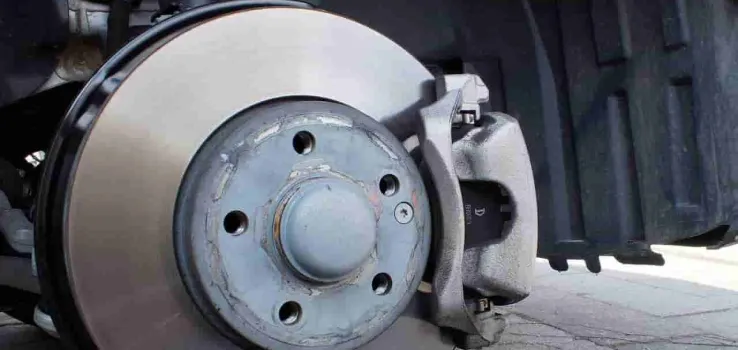
Why Are My Brakes Squeaking?
Why Are My Brakes Squeaking?
Hearing your brakes squeak every time you slow down can be worrying. While a squeaking noise doesn't always indicate a serious problem, it should never be ignored. In some cases, it's simply caused by moisture or a build-up of brake dust. In others, it can be an early warning sign that your brake pads, brake discs or another part of the braking system needs attention.
Your braking system is one of the most important safety features on your vehicle. Any unusual noise should be investigated promptly to ensure your brakes continue to perform safely and efficiently.
So, why are your brakes squeaking? There are several possible causes, ranging from normal wear and environmental conditions to worn brake components and braking system faults. In this guide, we'll explain the most common reasons your brakes squeak, when you should be concerned and when it's time to book a professional brake inspection.
Why Do Brakes Make Noise?
Your vehicle's brakes work by creating friction.
When you press the brake pedal:
- Hydraulic brake fluid transfers pressure through the braking system.
- The brake callipers push the brake pads against the rotating brake discs.
- Friction slows the wheels and brings the vehicle to a stop.
Because friction generates heat and vibration, some level of brake noise can occasionally occur. However, persistent or unusual noises often indicate that something requires attention.
1. Worn Brake Pads
The most common cause of squeaking brakes is worn brake pads.
Many modern brake pads are fitted with a small wear indicator, which is a metal tab designed to touch the brake disc when the friction material becomes thin.
This creates a high-pitched squealing sound to alert the driver that replacement is needed.
If the squeaking continues every time you brake, it's a good idea to have the brake pads inspected as soon as possible.
2. Moisture on the Brake Discs
If your brakes squeak only during the first few stops on a cold or damp morning, moisture is often the cause.
Light surface rust can form on the brake discs overnight, especially during wet weather.
As you begin driving, the brake pads quickly remove the rust and moisture.
In most cases:
- The noise disappears after a few minutes.
- Braking performance remains normal.
- No repair is required.
If the squeaking continues after the brakes have warmed up, another issue may be responsible.
3. Brake Dust Build-Up
Over time, brake pads naturally produce fine brake dust.
If excessive dust accumulates between the brake pads and brake discs, it may create a squeaking sound when braking.
A professional brake inspection and cleaning can often eliminate this type of noise.
4. Glazed Brake Pads
Repeated heavy braking or excessive heat can cause the surface of the brake pads to become smooth and shiny, a condition known as glazing.
Glazed brake pads produce less friction and may create:
- Squealing noises
- Reduced braking performance
- Increased stopping distances
Depending on the severity, the pads may need cleaning or replacement.
5. Glazed or Worn Brake Discs
Brake discs can also become glazed after prolonged exposure to high temperatures.
Uneven or glazed discs may produce:
- Squeaking
- Vibration
- Reduced braking efficiency
If the discs are badly worn or below the manufacturer's minimum thickness, replacement is usually recommended.
6. Cheap or Low-Quality Brake Pads
Not all brake pads are manufactured to the same standard.
Lower-quality brake pads may:
- Produce more noise
- Generate more brake dust
- Wear more quickly
- Deliver inconsistent braking performance
Using high-quality replacement brake pads often reduces squeaking and improves overall braking performance.
7. Lack of Brake Lubrication
Certain parts of the braking system require specialist high-temperature lubricants to allow smooth movement.
If brake hardware becomes dry or contaminated, it can create squeaking or squealing noises.
During a professional brake service, technicians clean and lubricate the appropriate components using manufacturer-approved products.
8. Stones or Debris Trapped in the Brakes
Small stones, road grit or debris can sometimes become trapped between the brake pad and brake disc.
This may cause:
- Squeaking
- Scraping
- Clicking noises
The debris usually becomes dislodged naturally, but persistent noises should be inspected by a technician.
9. Worn Brake Hardware
Brake pads rely on clips, shims and springs to remain correctly positioned.
If these components become worn, damaged or loose, unwanted movement may produce squeaking noises during braking.
Replacing worn hardware often resolves the issue.
10. Driving Style
Frequent harsh braking generates excessive heat, increasing brake wear and the likelihood of squeaking.
Smooth, progressive braking reduces wear and helps extend the lifespan of both brake pads and brake discs.
When Is Brake Squeaking Normal?
Not every squeak indicates a fault.
Brake squeaking is often considered normal when:
- The vehicle has been parked overnight in damp weather.
- The brakes are cold.
- The noise disappears after a few minutes.
- Braking performance remains normal.
Temporary squeaking under these conditions is generally nothing to worry about.
When Should You Be Concerned?
You should arrange a professional brake inspection if:
- The squeaking continues after the brakes have warmed up.
- The noise becomes louder over time.
- The brakes begin grinding.
- The brake warning light appears.
- The vehicle takes longer to stop.
- The brake pedal feels soft or spongy.
- The car pulls to one side while braking.
- You notice vibration through the brake pedal or steering wheel.
These symptoms may indicate worn brake pads, damaged brake discs or another braking system fault.
What Happens If You Ignore Squeaking Brakes?
Ignoring brake noise can lead to:
- Worn brake pads
- Damaged brake discs
- Increased stopping distances
- Reduced braking performance
- More expensive repairs
- Greater safety risks
Replacing brake pads early is significantly cheaper than replacing both brake pads and brake discs after prolonged neglect.
How Can You Prevent Brake Squeaking?
Although some brake noise is unavoidable, you can reduce the likelihood of squeaking by:
- Booking regular brake inspections
- Replacing worn brake pads promptly
- Using high-quality replacement parts
- Avoiding excessive harsh braking
- Keeping your braking system properly maintained
- Following your vehicle manufacturer's service schedule
Routine maintenance helps ensure quiet, reliable braking performance.
How Often Should Your Brakes Be Checked?
Your braking system should be inspected:
- During every routine service
- Before long journeys
- Whenever unusual noises develop
- If dashboard brake warnings appear
- If braking performance changes
Regular inspections help identify worn components before they become major safety issues.
What Does a Professional Brake Inspection Include?
A professional brake inspection typically involves checking:
- Brake pads
- Brake discs
- Brake fluid
- Brake callipers
- Brake hoses
- Brake lines
- Brake hardware
- Hydraulic system
- Overall braking performance
Any worn or damaged components are identified and explained before repairs are carried out.
Why Choose Central Tyres Walsall?
At Central Tyres Walsall, we provide professional brake inspections, brake pad replacement, brake disc replacement and complete brake servicing for all makes and models. Our experienced technicians use high-quality replacement parts and modern diagnostic equipment to accurately identify the cause of brake squeaking and restore your braking system to optimum condition.
Alongside brake repairs, we also offer Hunter Wheel Alignment, tyre fitting, wheel balancing, Interim, Full and Major Car Servicing, battery replacement, AdBlue top-ups, coolant drain and refill services, locking wheel nut removal and a complete range of vehicle maintenance solutions. We are committed to honest advice, transparent pricing and exceptional workmanship, ensuring every customer receives safe, reliable and professional service.
Contact Central Tyres Walsall
Address:
29 John Street
Walsall
WS2 8AF
United Kingdom
Phone: 01922 625339
Email: [email protected]
If your brakes are squeaking, don't wait for the problem to become more serious. Book a professional brake inspection with Central Tyres Walsall today. Our expert technicians will identify the cause of the noise, recommend the right solution and ensure your vehicle's braking system remains safe, responsive and reliable.
Recent Blogs