Your Basket is Empty!
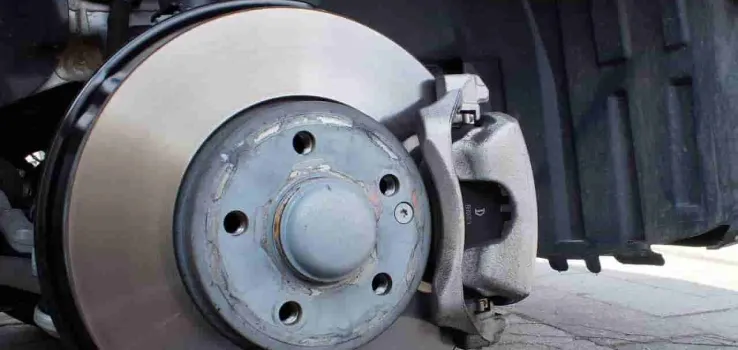
Brake Pads vs Brake Discs – What's the Difference?
Brake Pads vs Brake Discs – What's the Difference?
Your vehicle's braking system is one of its most important safety features, allowing you to slow down and stop safely in all driving conditions. Although most drivers know they need to replace their brakes from time to time, many are unsure about the difference between brake pads and brake discs.
Both components work together every time you press the brake pedal, but they perform very different roles. Understanding how they function, how they wear out and when they need replacing can help you maintain your vehicle properly, improve road safety and avoid costly repairs.
In this guide, we'll explain the difference between brake pads and brake discs, how each component works, the warning signs of wear and why regular brake inspections are essential for keeping your vehicle safe.
How Does a Car's Braking System Work?
Before comparing brake pads and brake discs, it's helpful to understand how the braking system operates.
When you press the brake pedal:
- Hydraulic brake fluid transfers pressure through the braking system.
- The brake callipers clamp the brake pads against the rotating brake discs.
- The friction between the brake pads and brake discs slows the wheels.
- Your vehicle safely reduces speed or comes to a complete stop.
This process happens thousands of times during the life of your vehicle, which is why both brake pads and brake discs gradually wear out.
What Are Brake Pads?
Brake pads are friction materials fitted inside the brake callipers. Their purpose is to create friction against the brake discs when you apply the brakes.
Because brake pads are designed to absorb most of the friction and heat generated during braking, they wear down much faster than brake discs.
Modern brake pads are manufactured using high-performance friction materials that provide:
- Strong stopping power
- Low noise
- Reduced brake dust
- Consistent braking performance
- Good heat resistance
Brake pads are considered a routine service item and require periodic replacement.
What Are Brake Discs?
Brake discs, sometimes called brake rotors, are large metal discs attached directly to your vehicle's wheel hubs.
As the wheels rotate, the brake discs rotate with them.
When the brake pads press against the discs, friction is created, slowing the rotation of the wheels and bringing the vehicle to a stop.
Brake discs are typically made from high-quality cast iron or other durable alloys designed to withstand extremely high temperatures.
Although brake discs last much longer than brake pads, they also wear over time and eventually require replacement.
Brake Pads vs Brake Discs – What's the Difference?
| Feature | Brake Pads | Brake Discs |
|---|---|---|
| Purpose | Create friction to slow the vehicle | Rotating surface that brake pads clamp onto |
| Material | High-friction composite material | Cast iron or steel alloy |
| Wear Rate | Wears relatively quickly | Wears more slowly |
| Replacement Frequency | More frequent | Less frequent |
| Typical Lifespan | 20,000–50,000 miles | 40,000–80,000 miles (depending on driving style and vehicle) |
| Cost | Generally lower | Usually higher due to larger components and additional labour |
Because brake pads wear faster, they are usually replaced more often than brake discs.
Why Do Brake Pads Wear Faster?
Brake pads are designed to sacrifice themselves in order to protect the brake discs.
Each time you brake:
- Friction removes tiny amounts of brake pad material.
- Heat gradually wears the friction surface.
- Repeated braking eventually reduces pad thickness.
This controlled wear ensures reliable stopping performance while helping extend the life of the brake discs.
Signs Your Brake Pads Need Replacing
Brake pads usually provide several warning signs before they become unsafe.
Common symptoms include:
Squealing or Screeching
Many brake pads contain wear indicators that produce a high-pitched noise when replacement is needed.
Grinding Noise
Grinding usually indicates the brake pad material has worn away completely, allowing metal to contact the brake disc.
Immediate replacement is essential to avoid disc damage.
Longer Stopping Distances
Worn brake pads reduce braking efficiency, increasing the distance required to stop safely.
Brake Warning Light
Some vehicles have electronic wear sensors that illuminate a dashboard warning light when brake pads become excessively worn.
Thin Brake Pads
If less than approximately 3–4 mm of friction material remains, replacement is generally recommended.
Signs Your Brake Discs Need Replacing
Brake discs also wear over time.
Common warning signs include:
Deep Grooves
Visible grooves on the braking surface reduce braking efficiency.
Excessive Rust
Surface rust is usually normal, but heavy corrosion can affect braking performance.
Vibration While Braking
Warped brake discs often cause vibration through the steering wheel or brake pedal.
Cracks
Heat-related cracking is a serious safety concern and requires immediate replacement.
Minimum Thickness Reached
Manufacturers specify a minimum safe thickness for brake discs.
Once this limit is reached, replacement is necessary.
Can You Replace Brake Pads Without Replacing Brake Discs?
Yes—provided the brake discs remain in good condition.
If the discs:
- Are within the manufacturer's thickness limits,
- Have no deep grooves,
- Are not warped,
- Show no cracks or serious corrosion,
then replacing the brake pads alone is often sufficient.
However, if the discs are damaged or excessively worn, replacing only the brake pads may reduce braking performance and shorten the life of the new pads.
Should Brake Pads and Brake Discs Be Replaced Together?
Not always.
Brake pads are replaced much more frequently than brake discs.
However, both components should usually be replaced together if:
- The brake discs are worn below the minimum thickness.
- The discs are badly scored or grooved.
- The discs are warped.
- The discs have heat damage or cracks.
Replacing both parts together helps restore maximum braking performance.
How Long Do Brake Pads and Brake Discs Last?
The lifespan of brake components depends on several factors.
Brake Pads
Typically last between 20,000 and 50,000 miles.
Brake Discs
Often last between 40,000 and 80,000 miles, although some may last longer depending on driving style and vehicle type.
Factors That Affect Brake Wear
Brake wear varies from driver to driver.
Factors include:
Driving Style
Aggressive braking significantly increases wear.
Smooth driving extends component life.
Traffic Conditions
Urban driving with frequent stop-start traffic wears brakes faster than motorway driving.
Vehicle Weight
Heavier vehicles require greater braking force.
Road Conditions
Driving in hilly areas increases brake use.
Brake Component Quality
Premium brake pads and discs generally provide longer service life and more consistent performance.
How Can You Make Your Brakes Last Longer?
You can reduce brake wear by:
- Driving smoothly
- Leaving greater stopping distances
- Avoiding unnecessary heavy braking
- Removing unnecessary weight from the vehicle
- Booking regular brake inspections
- Replacing worn brake pads before they damage the brake discs
Preventative maintenance is always more economical than waiting for components to fail.
Why Regular Brake Inspections Matter
Your braking system should be inspected during every routine service.
Early inspections help identify:
- Worn brake pads
- Damaged brake discs
- Brake fluid issues
- Sticking brake callipers
- Uneven brake wear
Regular brake maintenance improves safety and often reduces repair costs.
Why Choose Central Tyres Walsall?
At Central Tyres Walsall, we provide professional brake inspections, brake pad replacement, brake disc replacement and complete brake servicing for all makes and models. Our experienced technicians use high-quality replacement parts and modern diagnostic equipment to ensure your braking system performs safely and efficiently.
Alongside brake repairs, we also offer Hunter Wheel Alignment, tyre fitting, wheel balancing, Interim, Full and Major Car Servicing, battery replacement, AdBlue top-ups, coolant drain and refill services, locking wheel nut removal and a complete range of vehicle maintenance solutions. We are committed to honest advice, transparent pricing and exceptional workmanship, giving every customer confidence that their vehicle is in safe hands.
Contact Central Tyres Walsall
Address:
29 John Street
Walsall
WS2 8AF
United Kingdom
Phone:
Email:
If you're unsure whether your vehicle needs new brake pads, brake discs or a complete brake inspection, contact Central Tyres Walsall today. Our expert technicians will assess your braking system, explain any issues clearly and carry out the necessary repairs to keep your vehicle safe, reliable and ready for every journey.
Recent Blogs