Your Basket is Empty!
When Should Brake Fluid Be Replaced?
When Should Brake Fluid Be Replaced?
Your vehicle's braking system is one of its most important safety features, allowing you to stop quickly and safely in all driving conditions. While most drivers know that brake pads and brake discs wear out over time, many overlook another essential component of the braking system brake fluid.
Brake fluid plays a crucial role in transferring the pressure from your brake pedal to the brakes at each wheel. Unlike engine oil, brake fluid isn't consumed during normal driving, so it's easy to assume it lasts forever. In reality, brake fluid gradually absorbs moisture, becomes contaminated and loses its effectiveness, reducing braking performance and potentially compromising your safety.
So, when should brake fluid be replaced? Most vehicle manufacturers recommend changing brake fluid every two years, although the exact interval varies depending on your vehicle and the type of brake fluid used. Replacing brake fluid at the recommended intervals helps maintain strong braking performance, protects the braking system from corrosion and reduces the risk of expensive repairs.
In this guide, we'll explain what brake fluid does, why it needs replacing, the warning signs of deteriorating brake fluid and why regular brake fluid changes are essential for safe driving.
What Is Brake Fluid?
Brake fluid is a specially formulated hydraulic fluid used to transfer force through your vehicle's braking system.
When you press the brake pedal:
- The brake pedal activates the master cylinder.
- Brake fluid carries hydraulic pressure through the brake lines.
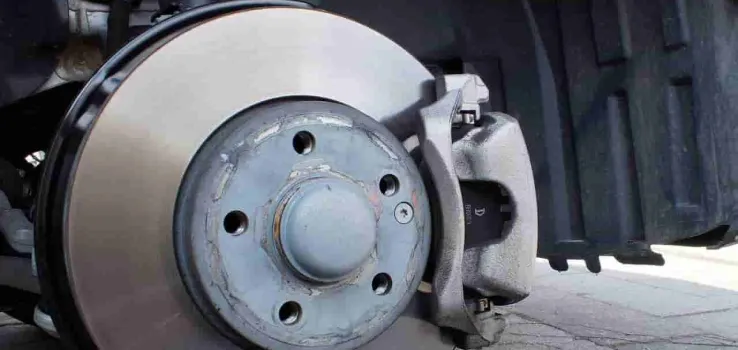
- This pressure moves the brake callipers.
- The brake pads press against the brake discs.
- The vehicle slows down or comes to a stop.
Without clean, high-quality brake fluid, your braking system cannot operate effectively.
Why Is Brake Fluid So Important?
Brake fluid performs several vital functions, including:
- Transferring hydraulic pressure
- Lubricating braking system components
- Protecting internal parts from corrosion
- Maintaining consistent braking performance
- Withstanding extremely high temperatures
Because braking generates significant heat, brake fluid must continue performing reliably even under demanding conditions.
Why Does Brake Fluid Need Replacing?
Unlike engine oil, brake fluid doesn't become dirty through combustion. Instead, it naturally absorbs moisture from the atmosphere over time.
Most modern brake fluids are hygroscopic, meaning they attract and absorb water.
Even though the braking system is sealed, tiny amounts of moisture gradually enter through:
- Rubber brake hoses
- Reservoir vents
- Hydraulic seals
As moisture content increases, brake fluid becomes less effective.
What Happens When Brake Fluid Absorbs Moisture?
Moisture contamination affects brake fluid in several ways.
Lower Boiling Point
Fresh brake fluid has a very high boiling point.
As water content increases, the boiling point decreases significantly.
During heavy braking, contaminated brake fluid may boil, creating vapour bubbles that reduce hydraulic pressure.
This condition, known as brake fade, can dramatically reduce braking performance.
Corrosion
Moisture inside the braking system can cause corrosion of:
- Brake lines
- Brake callipers
- Master cylinder
- ABS components
These parts are expensive to repair or replace.
Reduced Braking Performance
Old brake fluid can make the brake pedal feel:
- Soft
- Spongy
- Less responsive
Drivers may also notice increased stopping distances.
When Should Brake Fluid Be Replaced?
Most manufacturers recommend replacing brake fluid:
- Every 2 years, or
- According to the manufacturer's maintenance schedule.
Some high-performance or specialist vehicles may require more frequent replacement.
Always check your vehicle's owner's handbook for the correct interval.
Warning Signs Your Brake Fluid Needs Replacing
Although brake fluid deteriorates gradually, your vehicle may show several warning signs.
Soft or Spongy Brake Pedal
If the brake pedal feels softer than normal, contaminated brake fluid may be reducing hydraulic pressure.
Reduced Braking Performance
Longer stopping distances or reduced braking responsiveness should always be investigated.
Brake Warning Light
Some vehicles monitor the braking system electronically.
A warning light may indicate:
- Low brake fluid
- Worn brake pads
- Hydraulic system faults
A professional inspection is recommended.
Dark Brake Fluid
Fresh brake fluid is usually clear or light amber.
Over time, it becomes darker as it absorbs contaminants and moisture.
Dark brake fluid often indicates replacement is due.
ABS Problems
Contaminated brake fluid can affect sensitive ABS components.
Replacing old brake fluid helps protect the Anti-lock Braking System from unnecessary wear.
Can Old Brake Fluid Damage Your Brakes?
Yes.
Ignoring brake fluid replacement can result in:
- Corrosion inside brake components
- Brake fade
- Poor braking performance
- Increased stopping distances
- Damaged ABS components
- Expensive hydraulic repairs
Routine brake fluid replacement is a relatively inexpensive service that can prevent costly future repairs.
What Happens During a Brake Fluid Replacement?
A professional brake fluid replacement typically involves:
Inspection
The braking system is inspected for leaks, wear and damage.
Removing Old Brake Fluid
The old fluid is removed from the hydraulic system.
Refilling with Fresh Brake Fluid
New brake fluid that meets the manufacturer's specification is added.
Bleeding the Brakes
Air is removed from the braking system to ensure proper hydraulic pressure.
Final Testing
The technician checks:
- Brake pedal feel
- Brake fluid level
- System operation
- Possible leaks
This ensures the braking system is operating correctly before the vehicle is returned.
What Type of Brake Fluid Does My Car Need?
Several types of brake fluid are commonly used.
The correct type depends on your vehicle.
Common specifications include:
- DOT 3
- DOT 4
- DOT 5.1
Always use the specification recommended by the manufacturer.
Using the wrong brake fluid can damage braking components and reduce performance.
How Long Does a Brake Fluid Replacement Take?
A professional brake fluid replacement normally takes 30 to 60 minutes, depending on:
- Vehicle type
- Brake system design
- Whether additional brake work is required
It is often carried out alongside routine servicing.
Can You Check Brake Fluid Yourself?
Yes.
Most vehicles have a transparent brake fluid reservoir beneath the bonnet.
You can visually check:
- Fluid level
- Fluid colour
However, moisture contamination cannot usually be detected by appearance alone.
Professional brake fluid testers accurately measure moisture content and determine whether replacement is required.
How Brake Fluid Replacement Saves You Money
Routine brake fluid replacement helps prevent:
- Brake system corrosion
- ABS failures
- Brake calliper damage
- Master cylinder wear
- Expensive hydraulic repairs
- Reduced braking performance
Replacing brake fluid every two years is significantly cheaper than repairing damaged braking components.
Additional Brake Maintenance
Brake fluid replacement is only one part of maintaining a safe braking system.
Regular inspections should also include:
- Brake pad checks
- Brake disc inspection
- Brake hose inspection
- Brake calliper inspection
- Brake performance testing
A complete brake inspection ensures every component is working correctly.
Why Choose Central Tyres Walsall?
At Central Tyres Walsall, we provide professional brake fluid replacement, brake inspections, brake pad replacement, brake disc replacement and complete brake servicing for all makes and models. Our experienced technicians use manufacturer-approved brake fluids and modern diagnostic equipment to ensure your braking system performs safely and efficiently.
In addition to brake servicing, we also offer Hunter Wheel Alignment, tyre fitting, wheel balancing, Interim, Full and Major Car Servicing, battery replacement, AdBlue top-ups, coolant drain and refill services, locking wheel nut removal and a full range of vehicle maintenance solutions. We are committed to delivering honest advice, transparent pricing and exceptional workmanship, giving you complete confidence every time you visit us.
Contact Central Tyres Walsall
Address:
29 John Street
Walsall
WS2 8AF
United Kingdom
Phone: 01922 625339
Email: [email protected]
If it's been more than two years since your last brake fluid change or you're experiencing a soft brake pedal or reduced braking performance book a professional brake inspection with Central Tyres Walsall today. Our expert technicians will ensure your braking system is operating safely, efficiently and ready for every journey.
Recent Blogs